
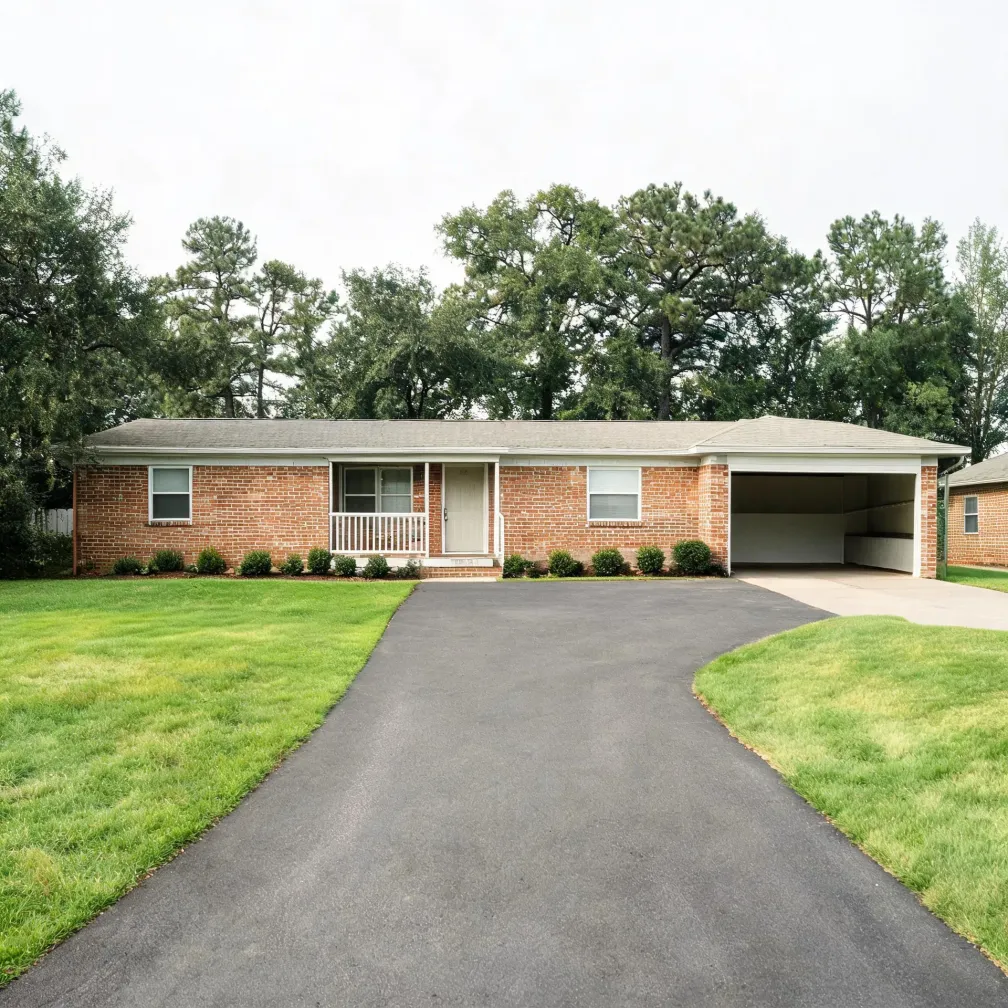
What Georgia homes are up against.
NOAA National Centers for Environmental Information, Storm Events Database, bulk CSV export, events 2015-01-01 through 2024-12-31. · U.S. Census Bureau, 2020-2024 American Community Survey 5-Year Estimates
A burner and ignition system that cycle hard through a long heating season accumulate wear on a schedule a bad installation compresses. Homes in Georgia run heat about five months a year, from November through March. That means a furnace spec'd too tight for the house it serves, or set up with duct leaks a contractor missed, burns through its serviceable life faster than the equipment's rated lifespan assumes. What a local contractor reads before quoting is how hard the equipment in your particular house has already been run, which parts are close to their limit, and whether the existing setup was matched to the load the season actually puts on it.
Before a contractor can size or spec a furnace replacement, they have to look at what is already in the house. Ductwork gets assessed for leakage and capacity, not taken as given. Electrical service panels get checked against what the new unit draws. Half the homes in Georgia were built in 1992 or earlier (2020-2024 ACS 5-year). That means a significant share of homes across the state were built under code and equipment standards that predate what a modern furnace requires, so the existing infrastructure is a variable, not a baseline. A contractor working anywhere in Georgia has to open the system before the quote means anything.
Does your county put extra wear on your HVAC equipment?
2015–2024 · Source: NOAA National Centers for Environmental Information, Storm Events Database.
A county that ranks high in severe weather events is asking a lot from outdoor equipment. A condenser sitting through hail, high wind, ice load, and temperature swings wide enough to matter in a single season needs to be sized and positioned with all of that in mind, and the housing around it matters too. The licensed contractor you are matched with works out what your county's conditions actually demand before any equipment goes in or comes out.
Georgia HVAC Contractor License Requirements for Installation and Repair
Georgia sets its own licensing rules for HVAC installation and repair work. The provisions below are drawn directly from state sources, not paraphrased.
Georgia licenses conditioned air contractors in two classes and the size of the equipment decides which one is needed: a Class I licence is restricted to systems no larger than 175,000 BTU of heating and 60,000 BTU of cooling, and a Class II licence is unrestricted.
A state license requirement means that only contractors who have met Georgia's standards are permitted to perform this work on your home. That matters when you are deciding who to call. The contractors this site routes requests to hold the license these provisions describe, and that is the filter every request passes through before it reaches anyone.
View the source provisions2 provisions
Georgia licenses conditioned air contractors in two classes and the size of the equipment decides which one is needed: a Class I licence is restricted to systems no larger than 175,000 BTU of heating and 60,000 BTU of cooling, and a Class II licence is unrestricted.
A Georgia conditioned air contractor licence is not granted on an application alone: the State Construction Industry Licensing Board requires documented field experience, a score of at least seventy on its examination, and its fees before it issues either class.