Tell us about the job
Takes about a minute. No obligation.
A furnace repair in Gwinnett County starts with what the system has already been through, because the equipment here has not been sitting in a quiet climate. 185 severe weather events were recorded in Gwinnett County, Georgia between 2015 and 2024. At that rate, severe weather is part of the normal operating life of a furnace in this county, and a contractor diagnosing a failed heat exchanger or a struggling blower motor has to weigh cumulative stress alongside age and maintenance history before settling on a cause. Skipping that step produces a repair that fixes the symptom.
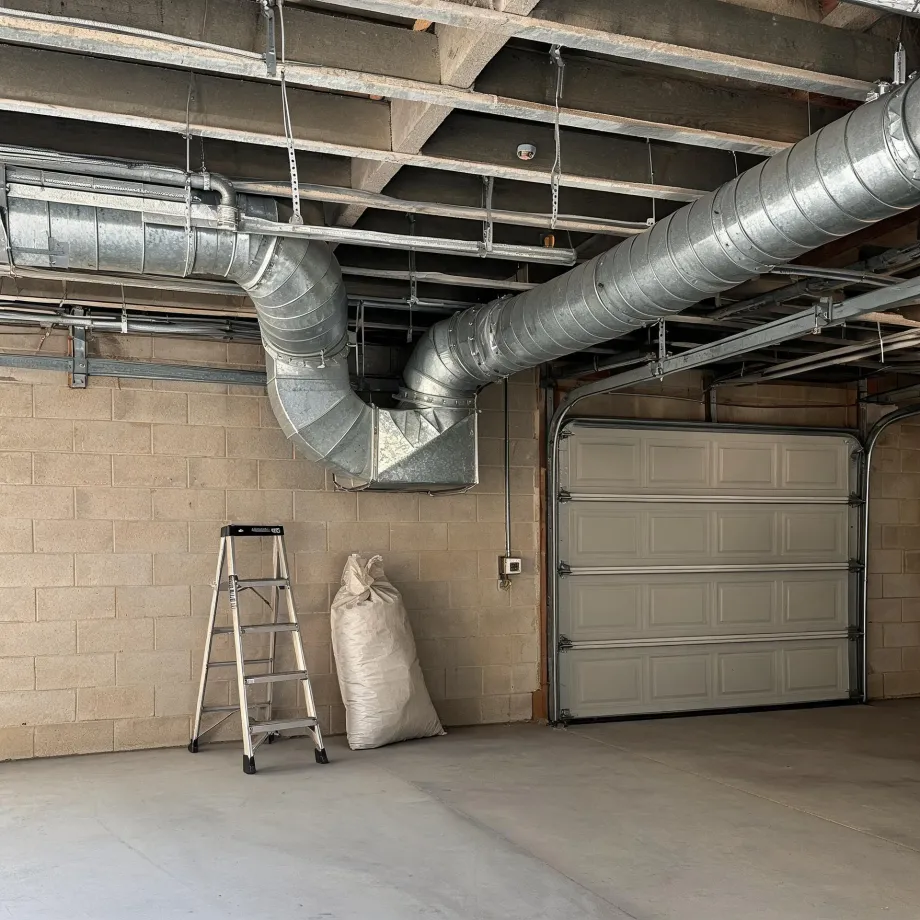
Furnaces that have cycled through enough Georgia winters accumulate wear in specific places: heat exchangers crack at the seam, ignitors become brittle, and blower wheels collect enough debris to throw the motor off balance. Half the homes in Gwinnett County, Georgia were built in 1996 or earlier (2020-2024 ACS 5-year). That depth of service history means a contractor opening a furnace here is likely to find one of a short list of known failure points rather than a mystery, which makes the diagnostic faster but the parts question sharper. Heat exchangers and ignitors for equipment of that vintage are still available, but availability narrows as models age, and a contractor has to confirm what is actually in the unit before pricing the repair.
The Parts of a Furnace a Contractor Checks First
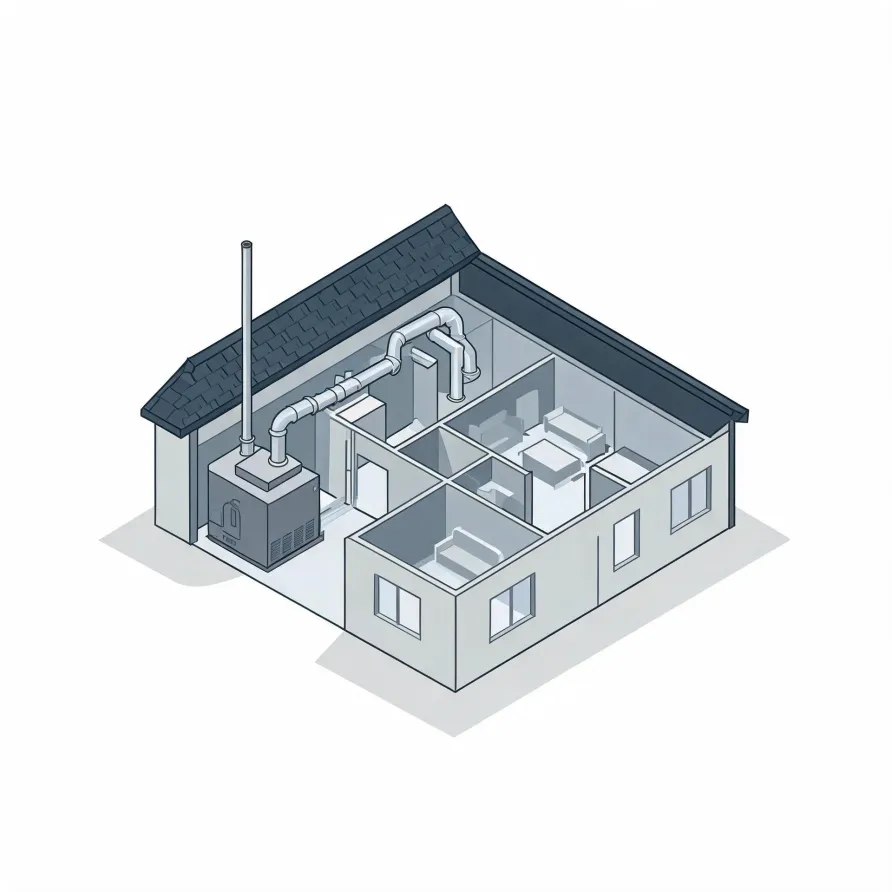
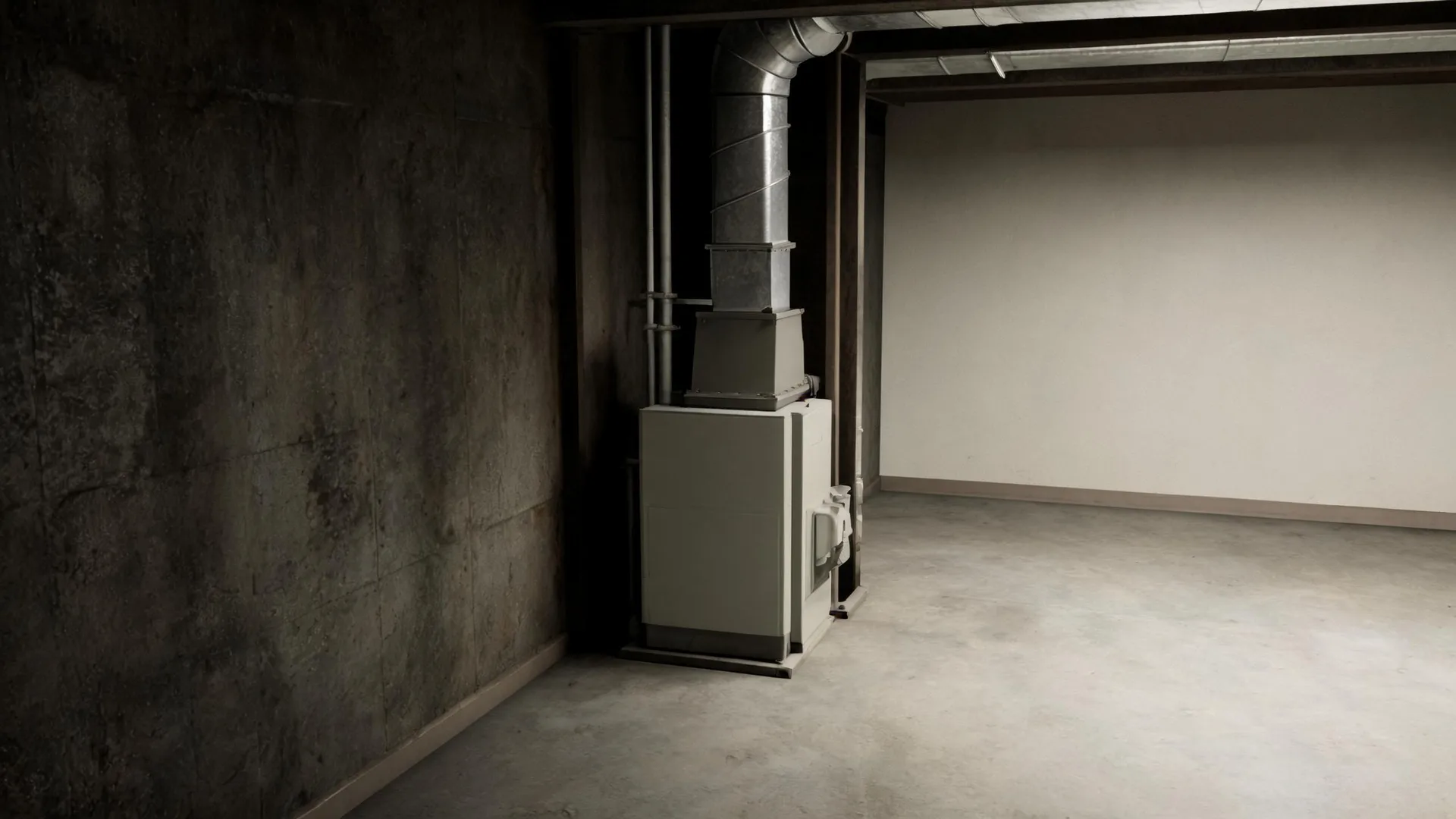
The furnace itself sits in a basement, utility room, or closet and is the piece a contractor goes to first. Inside it, the heat exchanger is the part most likely to be behind a problem: when it cracks or corrodes, combustion gases can spill into the airstream. The burners, igniter, and flame sensor all live inside that cabinet too, and any one of them can stop a furnace from firing.
The blower motor sits at the base of the furnace and pushes conditioned air out through the house. The flue pipe runs from the top of the cabinet to an exterior wall or roof and carries exhaust out. The thermostat on the wall is the control point, and a fault there can make a perfectly functional furnace behave as though it has failed.
The drawing shows a typical layout, and a licensed contractor determines what applies to the specific equipment and configuration in your home.
Get matched in Gwinnett CountyGwinnett County by the numbers
185 severe weather events were recorded in Gwinnett County, Georgia between 2015 and 2024.
NOAA National Centers for Environmental Information, Storm Events Database, bulk CSV export, events 2015-01-01 through 2024-12-31.Half the homes in Gwinnett County, Georgia were built in 1996 or earlier (2020-2024 ACS 5-year).
U.S. Census Bureau, 2020-2024 American Community Survey 5-Year EstimatesGwinnett County, Georgia holds 340,962 housing units (2020-2024 ACS 5-year).
U.S. Census Bureau, 2020-2024 American Community Survey 5-Year EstimatesOwners occupy 66.3% of the occupied homes in Gwinnett County, Georgia (2020-2024 ACS 5-year).
U.S. Census Bureau, 2020-2024 American Community Survey 5-Year EstimatesCodes & Standards Governing Furnace and HVAC Repair in Gwinnett County, Georgia4 sourced rules and standards
What the repair visit looks like
Non-weatherized gas furnaces manufactured on or after November 19, 2015 must reach 80.0 percent AFUE.
Non-weatherized oil-fired furnaces manufactured on or after November 19, 2015 must reach 83.0 percent AFUE.
Mobile home gas furnaces manufactured on or after November 19, 2015 must reach 80.0 percent AFUE.
Non-weatherized gas furnaces manufactured on or after December 18, 2028 must reach 95.0 percent AFUE, up from the 80.0 percent minimum that applies to units manufactured before that date.
Severe Weather Events in Gwinnett County
Extreme weather puts real strain on furnace equipment, cycling it harder and accelerating wear on parts that already run close to their limits. How often that happens in Gwinnett County shapes how much repair work furnaces here actually face.
185 severe weather events, 2015–2024. Source: NOAA National Centers for Environmental Information, Storm Events Database.