Tell us about the job
Takes about a minute. No obligation.
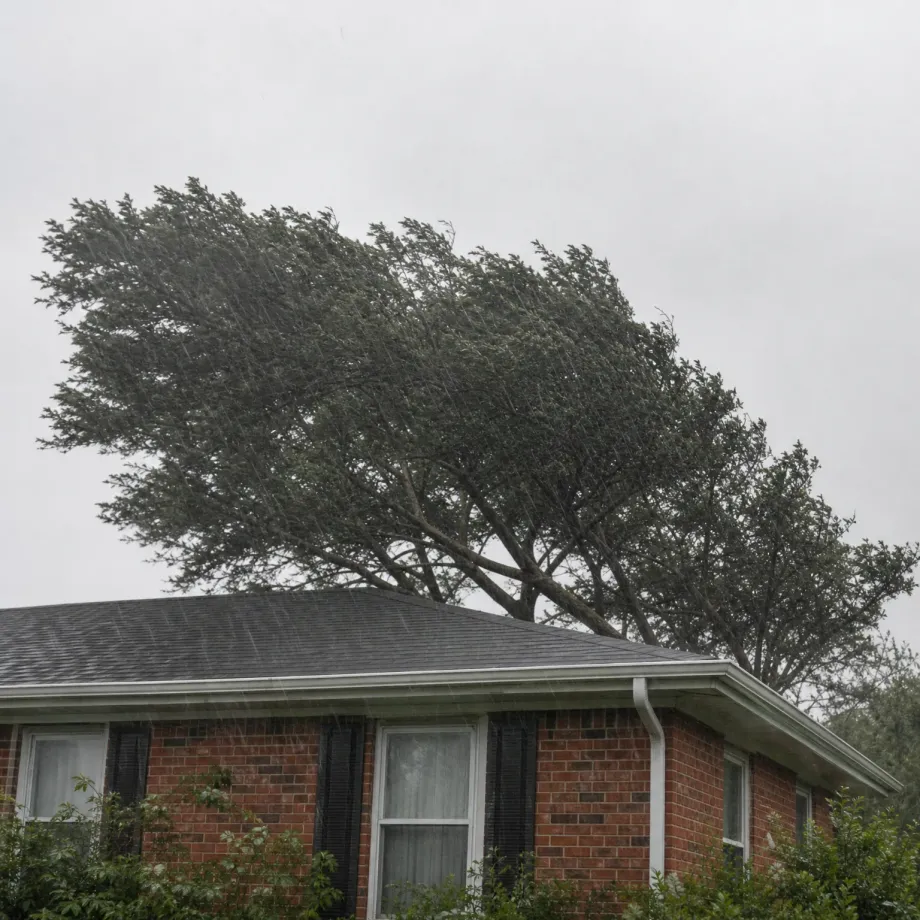
A furnace repair quote in Fulton County starts with a question a contractor has to answer before they touch anything: how much of this damage came from the weather this system has been running against, and how much is just age and use? 218 severe weather events were recorded in Fulton County, Georgia between 2015 and 2024. At that rate, stress on heat exchangers, igniters, and control boards accumulates from both directions at once, and a contractor who skips that sorting step will either underprice the repair or replace parts that still had life in them.
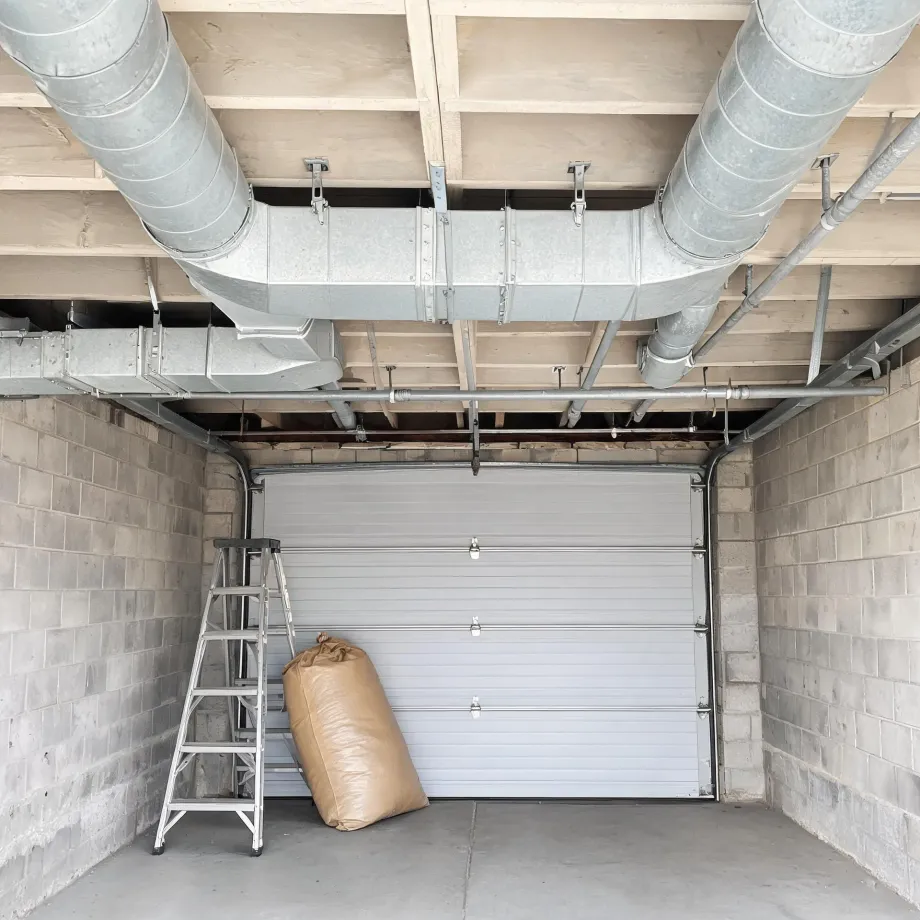
Fulton County's furnace stock runs old enough that the opened unit is where the repair either gets simple or complicated fast. Half the homes in Fulton County, Georgia were built in 1993 or earlier (2020-2024 ACS 5-year). A system in a house built around that median has gone through enough heating seasons that worn heat exchangers, cracked igniters, and fatigued pressure switches are ordinary findings once the cabinet is open. What changes the scope is whether the manufacturer still produces the replacement part the specific unit needs, or whether a contractor is sourcing a substitute and checking compatibility on the spot.
The Parts of a Furnace a Contractor Checks First
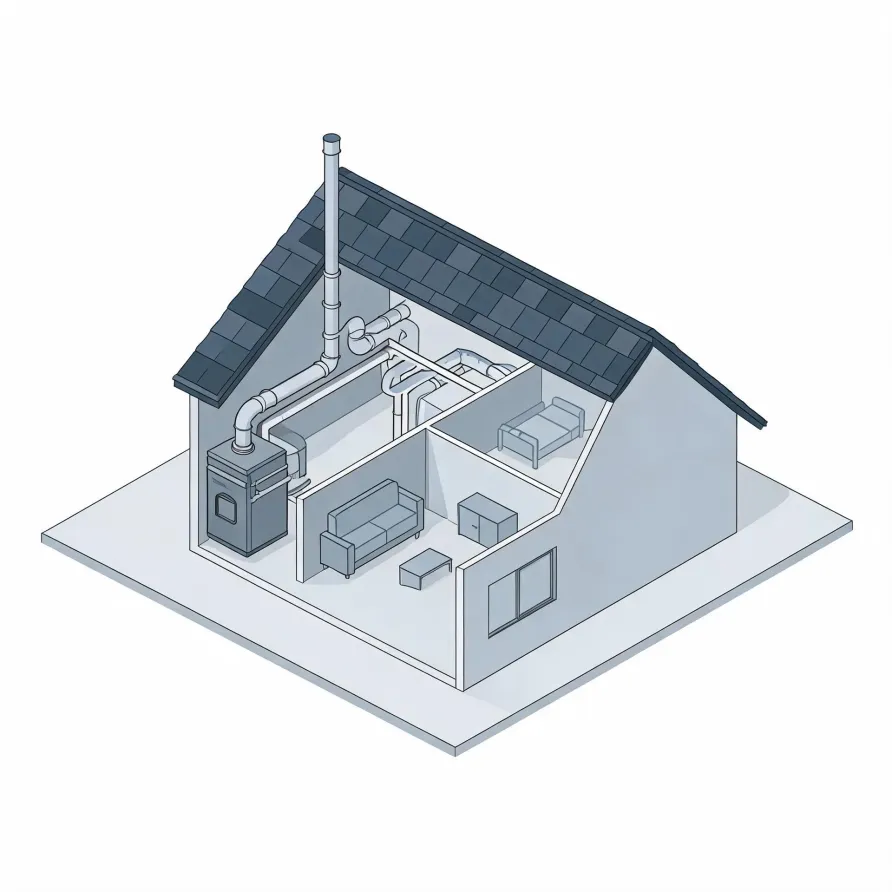
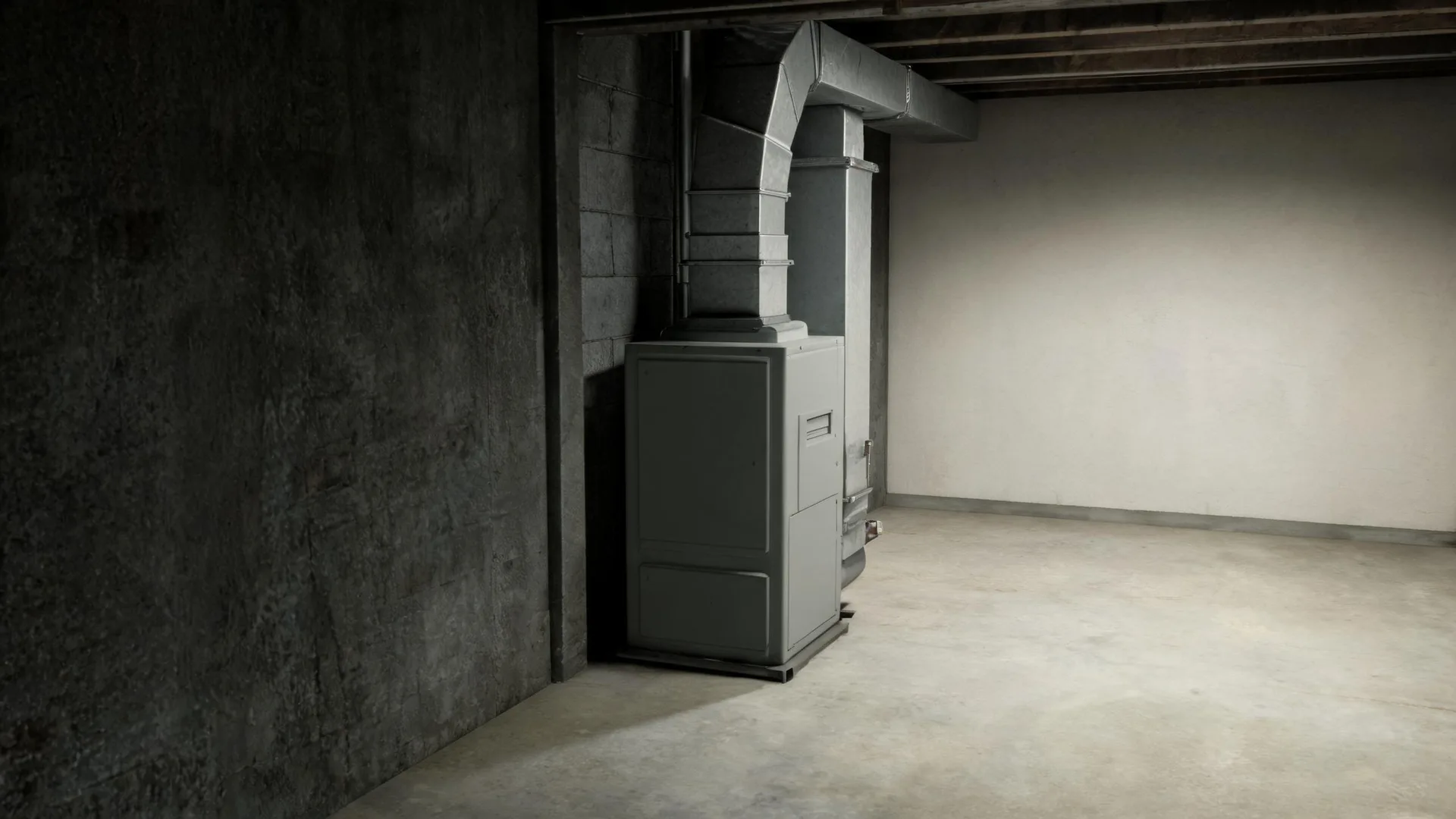
The furnace itself sits in a basement, utility closet, or mechanical room and is the piece a contractor goes to first. Inside it, the heat exchanger and burner assembly are the most common sources of trouble. A cracked heat exchanger or a burner that will not light reliably are the kinds of failures that stop a furnace from doing its job.
The blower motor sits inside the furnace cabinet and pushes conditioned air out through the house. The flue pipe runs from the cabinet to an exterior wall or chimney, carrying combustion gases out. The thermostat on the wall is where a contractor often starts, since a wiring fault or a failed sensor there can mimic a deeper problem.
The drawing shows a typical furnace layout, and a licensed contractor determines which components apply to your specific system and situation.
Get matched in Fulton CountyFulton County, by the numbers
218 severe weather events were recorded in Fulton County, Georgia between 2015 and 2024.
NOAA National Centers for Environmental Information, Storm Events Database, bulk CSV export, events 2015-01-01 through 2024-12-31.Half the homes in Fulton County, Georgia were built in 1993 or earlier (2020-2024 ACS 5-year).
U.S. Census Bureau, 2020-2024 American Community Survey 5-Year EstimatesFulton County, Georgia holds 507,119 housing units (2020-2024 ACS 5-year).
U.S. Census Bureau, 2020-2024 American Community Survey 5-Year EstimatesOwners occupy 54.3% of the occupied homes in Fulton County, Georgia (2020-2024 ACS 5-year).
U.S. Census Bureau, 2020-2024 American Community Survey 5-Year EstimatesCodes & Standards Governing Furnace and HVAC Repair in Fulton County, Georgia4 sourced rules and standards
What the repair visit looks like
Non-weatherized gas furnaces manufactured on or after November 19, 2015 must reach 80.0 percent AFUE.
Non-weatherized oil-fired furnaces manufactured on or after November 19, 2015 must reach 83.0 percent AFUE.
Mobile home gas furnaces manufactured on or after November 19, 2015 must reach 80.0 percent AFUE.
Non-weatherized gas furnaces manufactured on or after December 18, 2028 must reach 95.0 percent AFUE, up from the 80.0 percent minimum that applies to units manufactured before that date.
Severe Weather Events in Fulton County
Extreme weather puts real stress on furnace components, and how hard a system has to work is partly a function of what the local climate throws at it. That makes weather history a relevant backdrop for any conversation about repair frequency and equipment wear in Fulton County.
218 severe weather events, 2015–2024. Source: NOAA National Centers for Environmental Information, Storm Events Database.