Tell us about the job
Takes about a minute. No obligation.
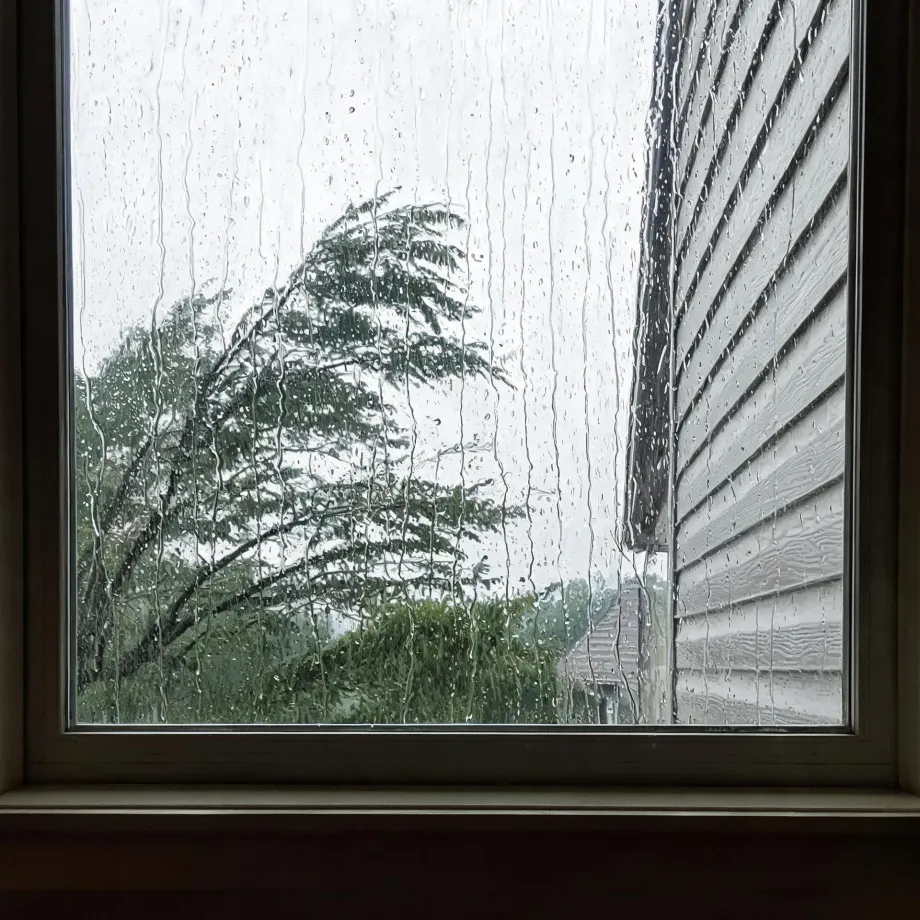
A furnace repair in Cobb County starts with what the system has been asked to carry over its life. 105 severe weather events were recorded in Cobb County, Georgia between 2015 and 2024. At that rate, severe weather is a recurring pressure on equipment here, and a contractor diagnosing a failed heat exchanger or a failing inducer motor has to weigh it. But weather load rarely sits alone as the cause. Deferred maintenance and the age of key components tend to be what pushes a system over, and a contractor's first job is separating those from each other before settling on a repair scope.
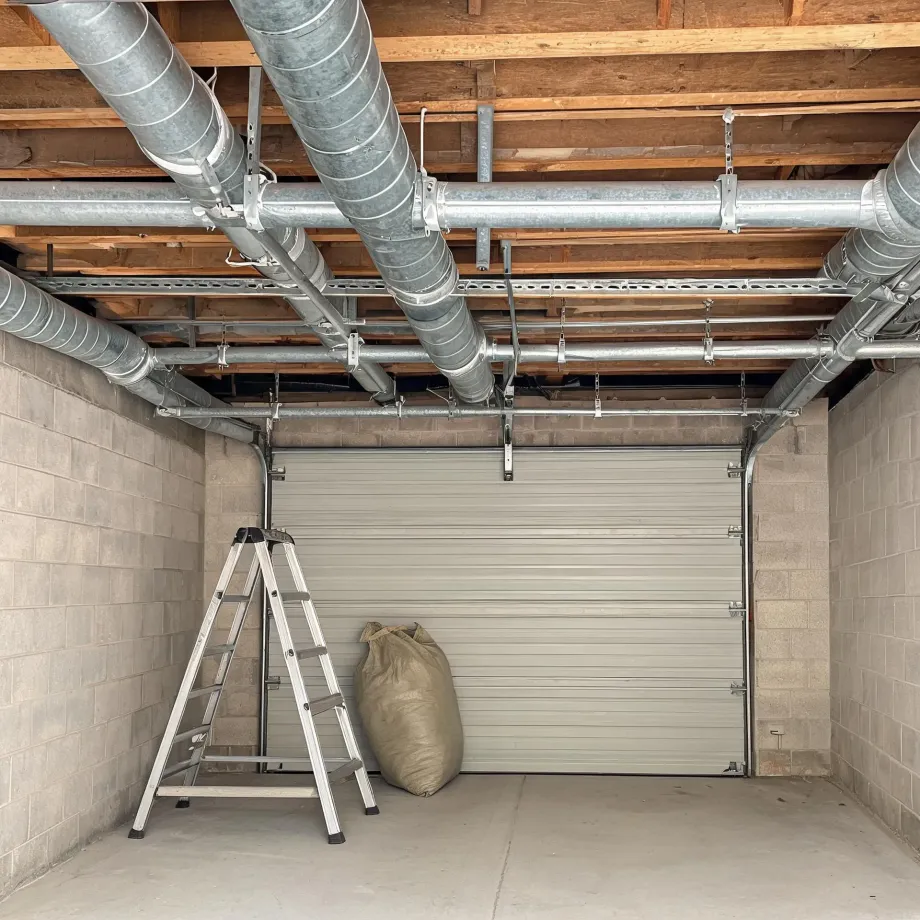
Stock built when a significant share of Cobb County homes were put up has had time to accumulate service history that the outside of a furnace does not show. Half the homes in Cobb County, Georgia were built in 1990 or earlier (2020-2024 ACS 5-year). A contractor who opens a unit in housing like this finds components that reflect decades of heat cycles, and the repair scope shifts depending on whether the parts that system takes are still manufactured or have to be sourced from secondary suppliers. That sourcing question is what separates a straightforward fix from a job that takes longer and costs more.
The Parts of a Furnace a Contractor Checks First
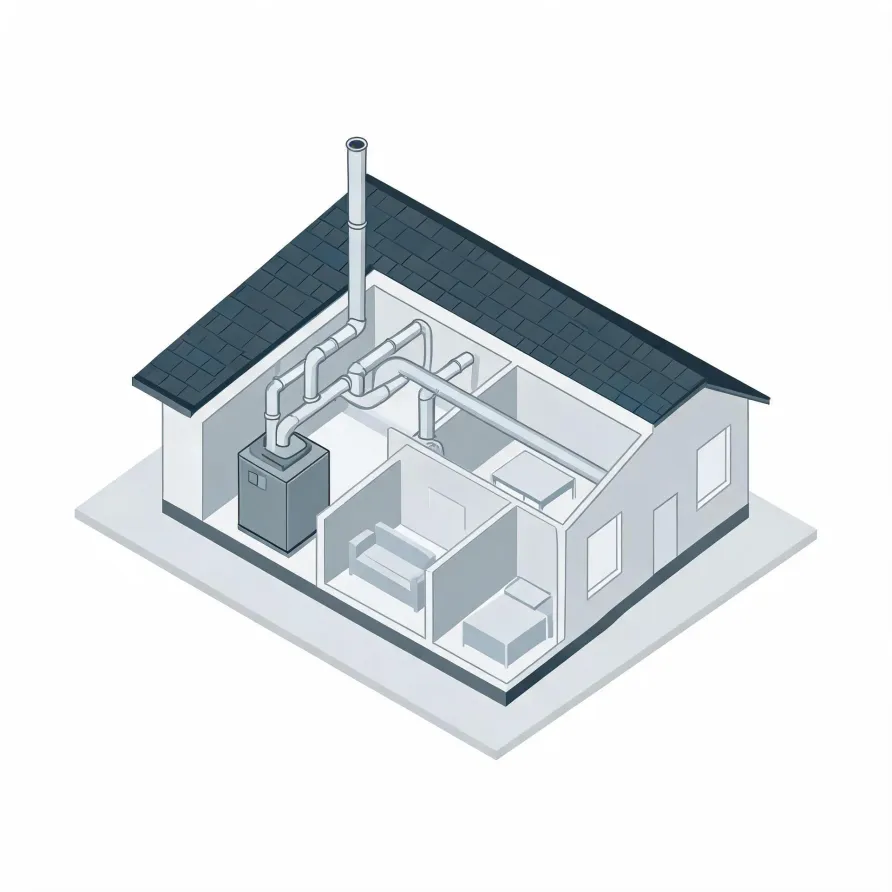
The furnace itself sits in a basement, utility closet, or mechanical room and is the piece a contractor goes to first. Inside it, the heat exchanger is the part most likely behind a problem: it carries combustion heat into the airstream, and a crack there is serious. The burners, which fire below the heat exchanger, are the next place to look when heat output drops.
The blower motor pulls air across the heat exchanger and pushes it through the house. The control board runs the whole sequence, and a fault there can mimic failures in other parts, which is why contractors check it before replacing components. The flue pipe runs from the furnace to an outside wall or roofline and has to be clear and sealed for the system to operate safely.
The drawing shows a typical layout, and a licensed contractor determines which parts apply and what the work involves in this particular house.
Get matched in Cobb CountyCobb County, by the numbers
105 severe weather events were recorded in Cobb County, Georgia between 2015 and 2024.
NOAA National Centers for Environmental Information, Storm Events Database, bulk CSV export, events 2015-01-01 through 2024-12-31.Half the homes in Cobb County, Georgia were built in 1990 or earlier (2020-2024 ACS 5-year).
U.S. Census Bureau, 2020-2024 American Community Survey 5-Year EstimatesCobb County, Georgia holds 314,104 housing units (2020-2024 ACS 5-year).
U.S. Census Bureau, 2020-2024 American Community Survey 5-Year EstimatesOwners occupy 67.0% of the occupied homes in Cobb County, Georgia (2020-2024 ACS 5-year).
U.S. Census Bureau, 2020-2024 American Community Survey 5-Year EstimatesCodes & Licensing That Govern Furnace Repair in Cobb County, Georgia4 sourced rules and standards
What Happens When a Contractor Comes Out
Non-weatherized gas furnaces manufactured on or after November 19, 2015 must reach 80.0 percent AFUE.
Non-weatherized oil-fired furnaces manufactured on or after November 19, 2015 must reach 83.0 percent AFUE.
Mobile home gas furnaces manufactured on or after November 19, 2015 must reach 80.0 percent AFUE.
Non-weatherized gas furnaces manufactured on or after December 18, 2028 must reach 95.0 percent AFUE, up from the 80.0 percent minimum that applies to units manufactured before that date.
Severe Weather Events in Cobb County
Hard weather puts real hours on furnace equipment, and those hours accumulate differently depending on where the equipment runs. That load history is part of what shapes repair frequency in Cobb County, which is why local weather data belongs on a page about furnace repair.
105 severe weather events, 2015–2024. Source: NOAA National Centers for Environmental Information, Storm Events Database.