Tell us about the job
Takes about a minute. No obligation.
A furnace failing in Lamar County is more likely worn out than weather-beaten. 25 severe weather events were recorded in Lamar County, Georgia between 2015 and 2024. At that rate, severe weather is an occasional event here, not a standing condition, and a contractor arriving at a repair call will spend their attention on heat exchangers, ignitors, and blower components that degrade with years of use rather than with storm load. If a part has failed, age and how well the system has been maintained are the questions that point toward what needs replacing.
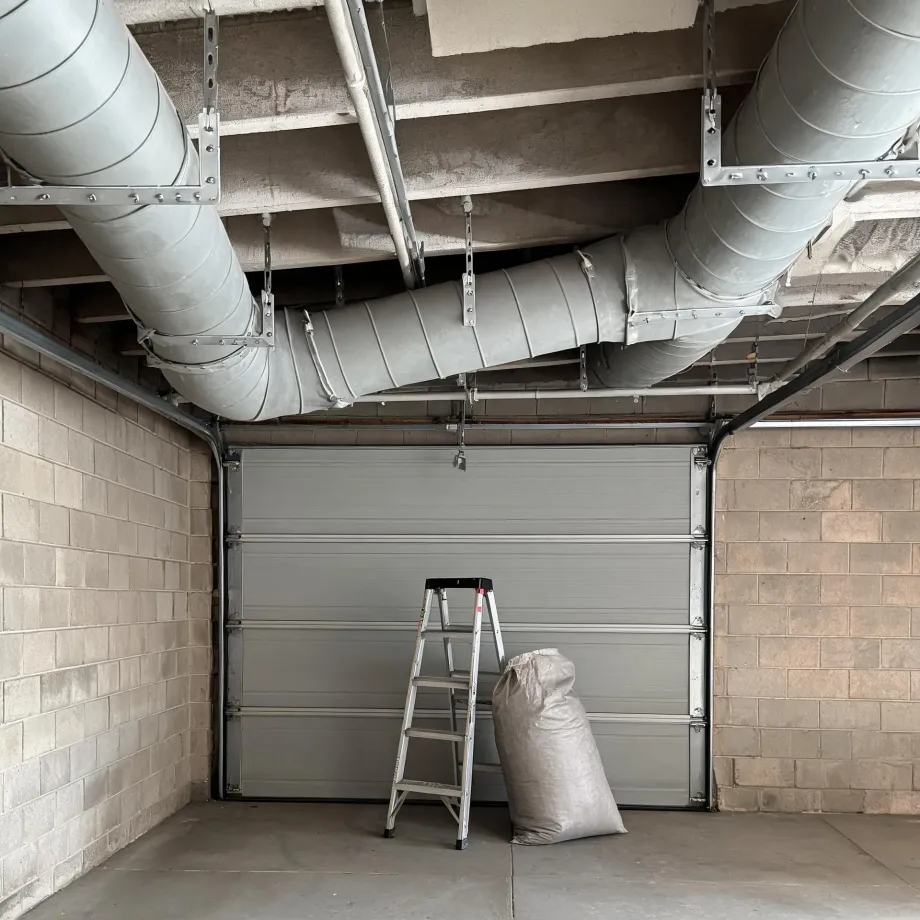
Furnace parts have a shelf life in the catalogs, and in stock this old, what a contractor pulls out of an opened unit is often something a distributor stopped stocking years back. Half the homes in Lamar County, Georgia were built in 1988 or earlier (2020-2024 ACS 5-year). That age of construction means the furnace running in a house today was almost certainly retrofitted into a space built for something different, and the components it takes may belong to a product line that has since been superseded. A contractor diagnosing a furnace here checks part availability before quoting the repair, because the cost difference between a part that ships tomorrow and one that requires a search changes what the homeowner is actually deciding.
The Parts of a Furnace a Contractor Checks First
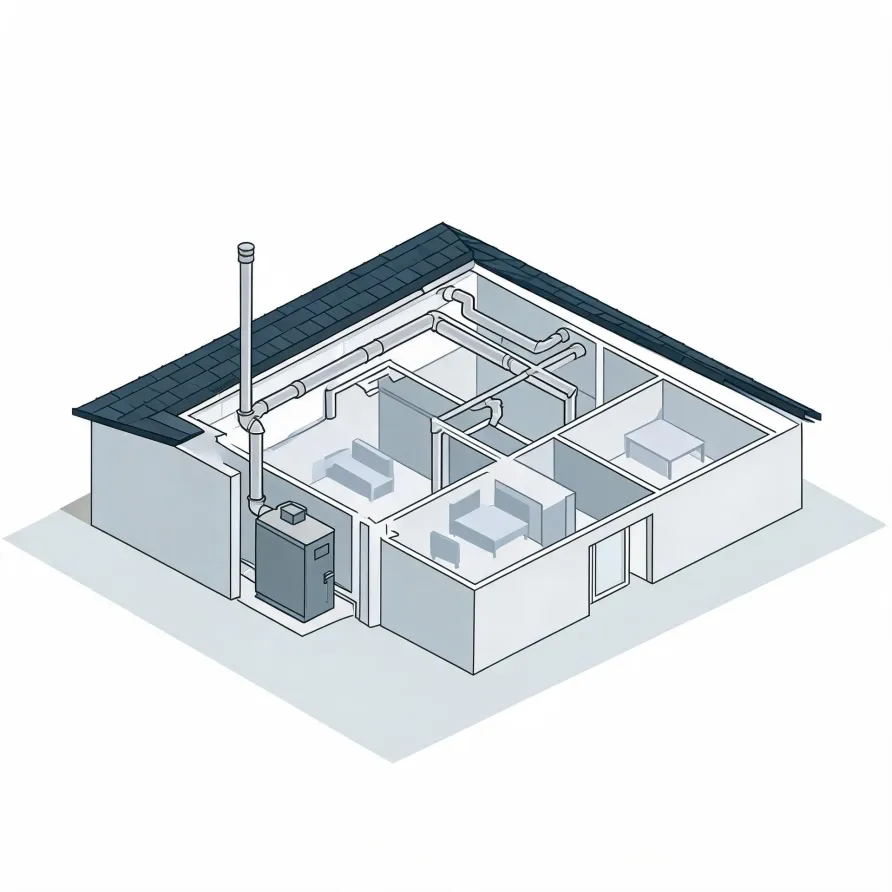
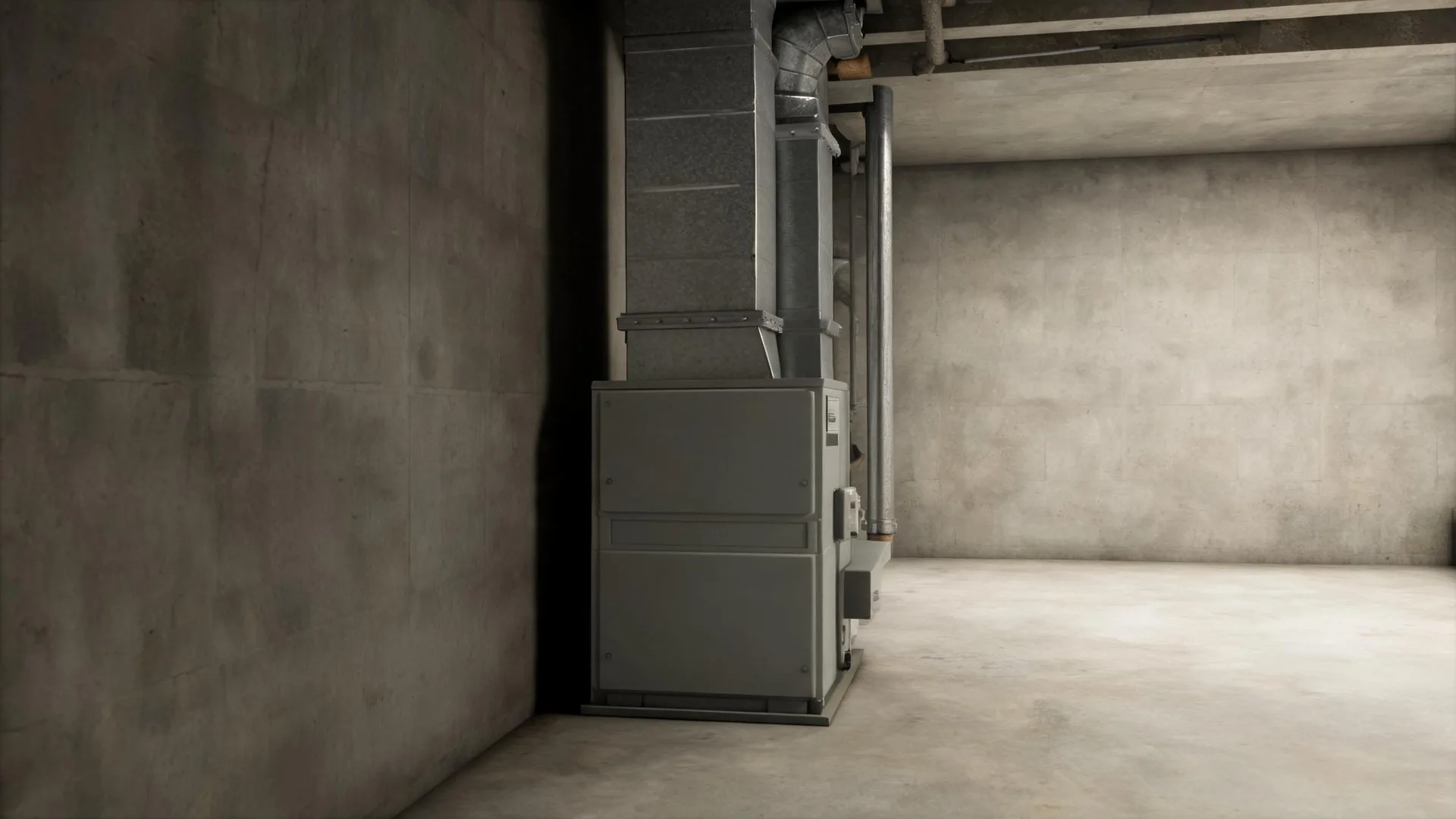
The furnace itself sits in a basement, utility room, or closet and is the piece a contractor goes to first. Inside it, the heat exchanger and burner assembly are where most failures show up. A cracked heat exchanger, a dirty burner, or a failed ignitor will each stop the system in a different way, and reading those symptoms tells a contractor which part needs attention.
The blower motor moves conditioned air out of the furnace and through the house. The flue pipe runs from the furnace to an exterior vent and carries combustion gases out. The thermostat on the wall is the system's control point, and a fault there can look exactly like a fault inside the furnace itself.
The drawing shows a typical layout, and a licensed contractor determines what applies to your specific system and home.
Get matched in Lamar CountyLamar County, Georgia, by the numbers
25 severe weather events were recorded in Lamar County, Georgia between 2015 and 2024.
NOAA National Centers for Environmental Information, Storm Events Database, bulk CSV export, events 2015-01-01 through 2024-12-31.Half the homes in Lamar County, Georgia were built in 1988 or earlier (2020-2024 ACS 5-year).
U.S. Census Bureau, 2020-2024 American Community Survey 5-Year EstimatesLamar County, Georgia holds 7,866 housing units (2020-2024 ACS 5-year).
U.S. Census Bureau, 2020-2024 American Community Survey 5-Year EstimatesOwners occupy 75.7% of the occupied homes in Lamar County, Georgia (2020-2024 ACS 5-year).
U.S. Census Bureau, 2020-2024 American Community Survey 5-Year EstimatesCodes & Standards Governing Furnace and HVAC Repair in Lamar County, Georgia4 sourced rules and standards
What HVAC Repair Looks Like in Lamar County
Non-weatherized gas furnaces manufactured on or after November 19, 2015 must reach 80.0 percent AFUE.
Non-weatherized oil-fired furnaces manufactured on or after November 19, 2015 must reach 83.0 percent AFUE.
Mobile home gas furnaces manufactured on or after November 19, 2015 must reach 80.0 percent AFUE.
Non-weatherized gas furnaces manufactured on or after December 18, 2028 must reach 95.0 percent AFUE, up from the 80.0 percent minimum that applies to units manufactured before that date.
Severe Weather Events in Lamar County
Extreme weather puts real strain on furnace components, and that strain adds up over years of hard cycles. How often conditions push equipment to its limits is a local fact, and it shapes how much repair work furnaces in this area actually see.
25 severe weather events, 2016–2024. Source: NOAA National Centers for Environmental Information, Storm Events Database.