Tell us about the job
Takes about a minute. No obligation.
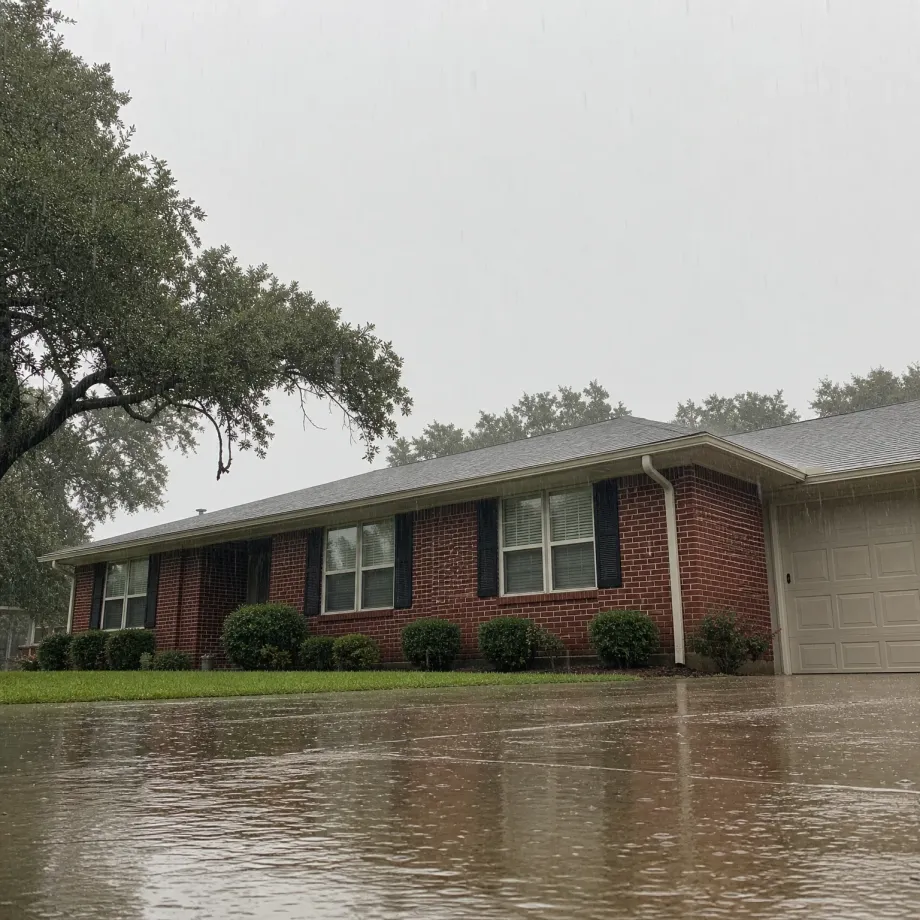
A contractor sizing or installing a furnace in Montgomery County has to account for what the system will realistically face here. 37 severe weather events were recorded in Montgomery County, Georgia between 2015 and 2024. At that rate, severe weather is an occasional event, not a standing condition, and a furnace that gives out is almost certainly carrying the marks of age, a poor original install, or deferred maintenance rather than cumulative weather load. Sizing decisions and installation quality are the variables that determine how a new system performs in this county.
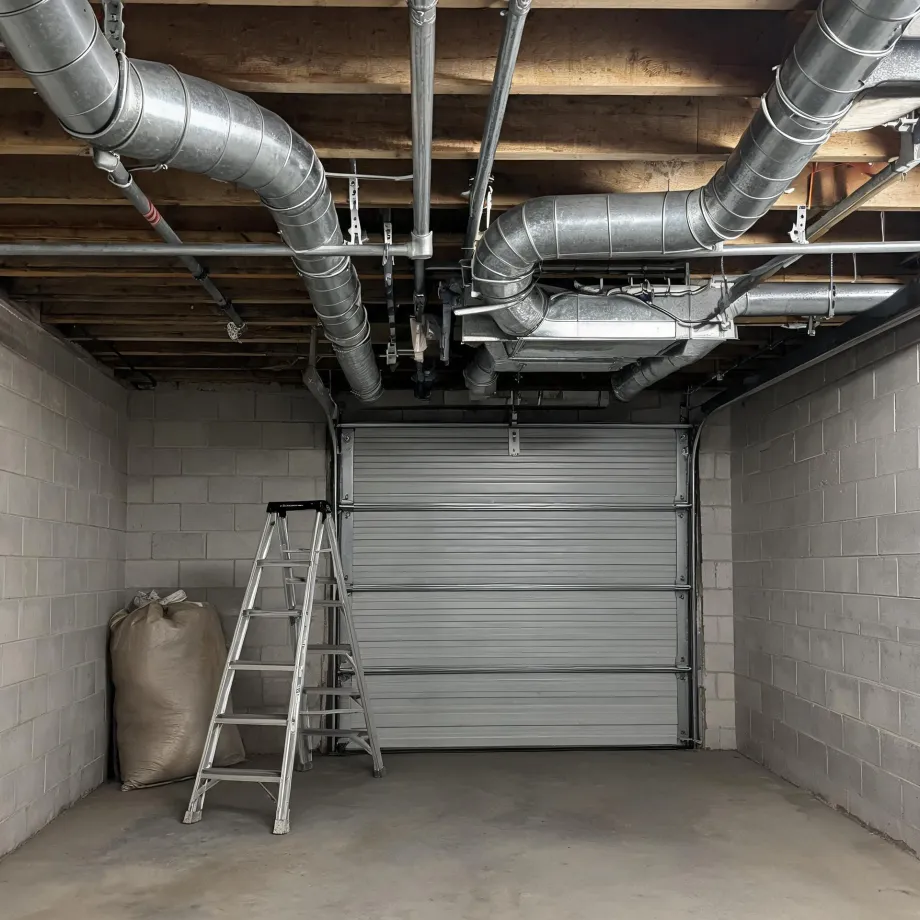
Ductwork laid in for an older furnace carries assumptions about airflow, static pressure, and trunk sizing that may not match what a new unit needs. Half the homes in Montgomery County, Georgia were built in 1989 or earlier (2020-2024 ACS 5-year). A contractor quoting a furnace replacement here looks at the existing duct layout before pricing the equipment, because a system that delivers well in one house can underperform in another where the runs were never sized for it. Electrical service is the second check: what the new unit draws has to match what the panel can supply.
What a Furnace Installation Puts in Your Home
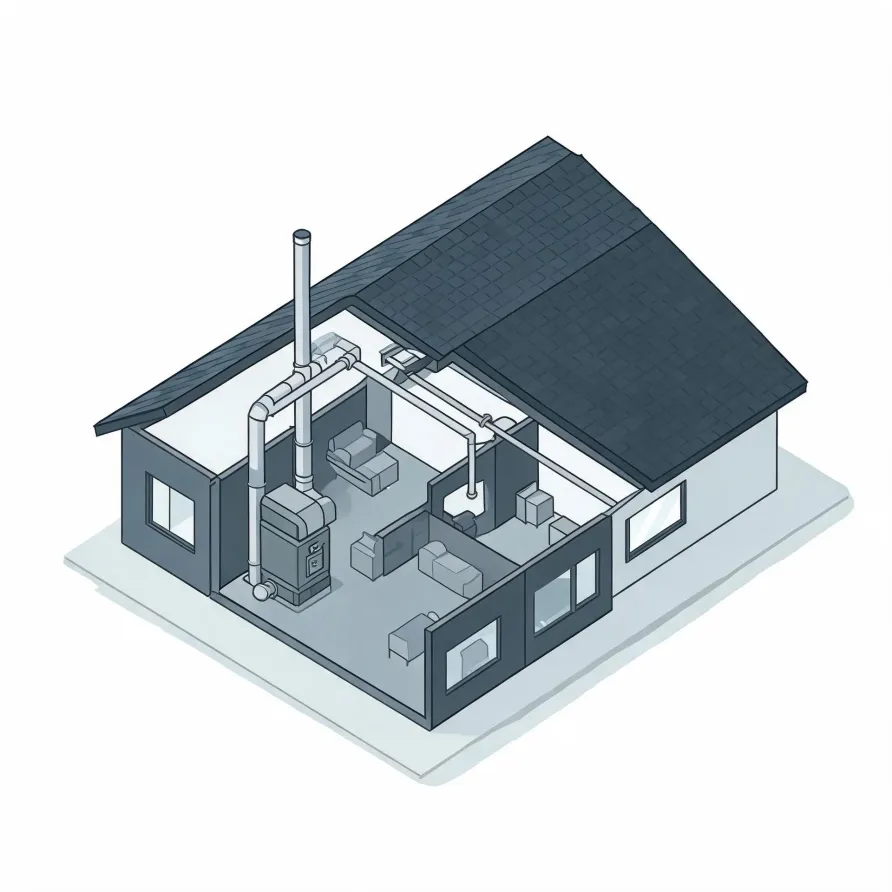
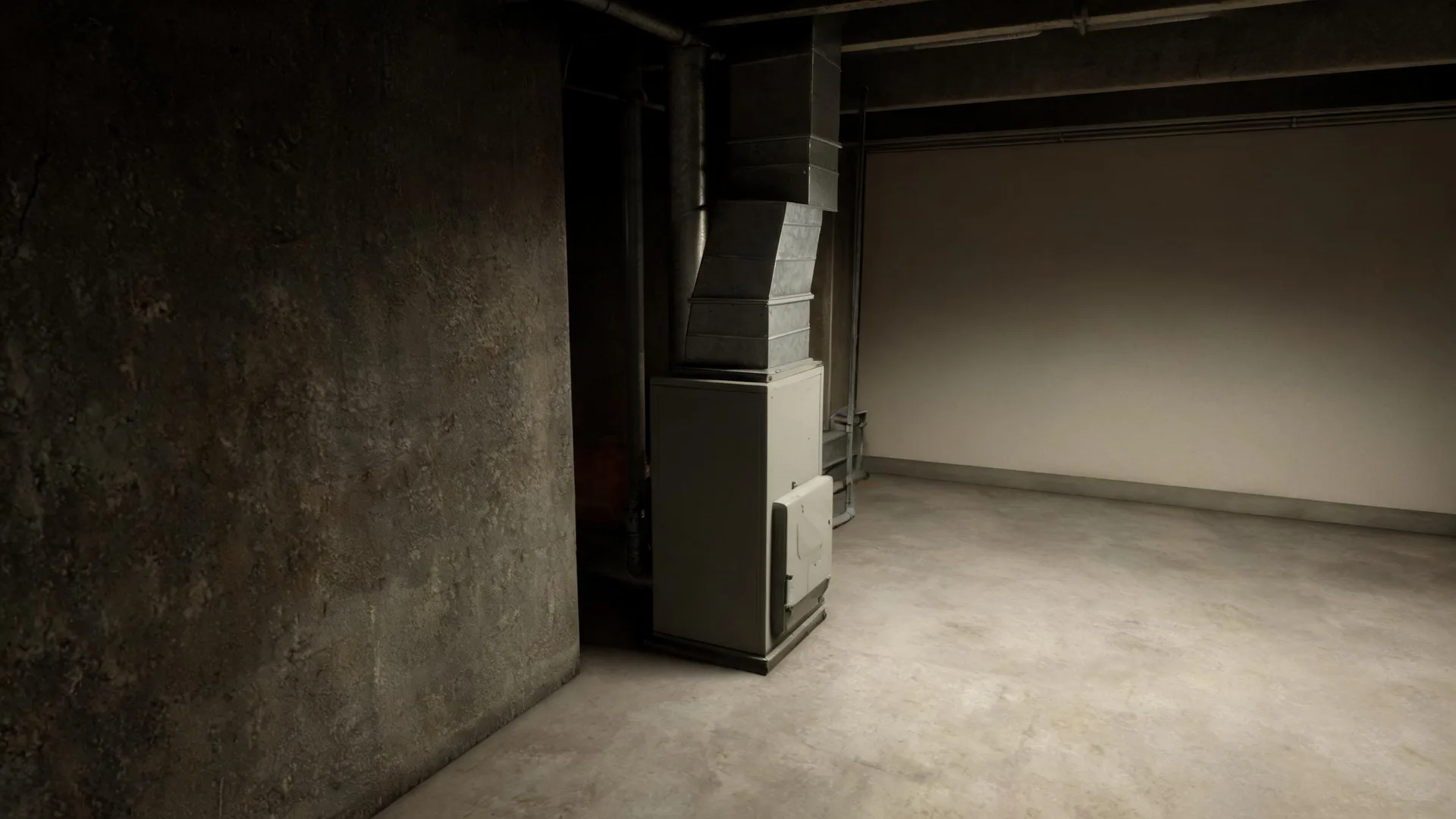
The furnace itself sits inside the house, most often in a basement, utility closet, or dedicated mechanical room. It is the central unit that generates heat and pushes conditioned air into the supply side of your home's air distribution system. A new installation also includes the flue or venting pipe that runs from the furnace to an exterior wall or roofline, carrying combustion gases out of the living space.
The air handler components built into the furnace cabinet, including the blower and the heat exchanger, work alongside a new filter housing and, where the system calls for it, an evaporator coil mounted directly above the furnace for cooling. A thermostat goes on an interior wall of the living space and gives you direct control over the whole system.
The drawing beside this text shows the general layout of these components, and a licensed contractor determines exactly what applies to your home's configuration.
Get matched in Montgomery CountyMontgomery County, Georgia, by the numbers
37 severe weather events were recorded in Montgomery County, Georgia between 2015 and 2024.
NOAA National Centers for Environmental Information, Storm Events Database, bulk CSV export, events 2015-01-01 through 2024-12-31.Half the homes in Montgomery County, Georgia were built in 1989 or earlier (2020-2024 ACS 5-year).
U.S. Census Bureau, 2020-2024 American Community Survey 5-Year EstimatesMontgomery County, Georgia holds 3,794 housing units (2020-2024 ACS 5-year).
U.S. Census Bureau, 2020-2024 American Community Survey 5-Year EstimatesOwners occupy 76.2% of the occupied homes in Montgomery County, Georgia (2020-2024 ACS 5-year).
U.S. Census Bureau, 2020-2024 American Community Survey 5-Year EstimatesFurnace & HVAC Installation Rules for Montgomery County, Georgia4 sourced standards & codes
What the Installation Actually Looks Like
Non-weatherized gas furnaces manufactured on or after November 19, 2015 must reach 80.0 percent AFUE.
Non-weatherized oil-fired furnaces manufactured on or after November 19, 2015 must reach 83.0 percent AFUE.
Mobile home gas furnaces manufactured on or after November 19, 2015 must reach 80.0 percent AFUE.
Non-weatherized gas furnaces manufactured on or after December 18, 2028 must reach 95.0 percent AFUE, up from the 80.0 percent minimum that applies to units manufactured before that date.
Severe Weather Events in Montgomery County
Heating and cooling equipment carries the load that local weather demands of it. How hard that demand runs in Montgomery County shapes what a furnace installation here needs to handle.
37 severe weather events, 2016–2024. Source: NOAA National Centers for Environmental Information, Storm Events Database.