Tell us about the job
Takes about a minute. No obligation.
A furnace repair in this county starts with a question a contractor has to settle before anything else: what has this system been running against. 343 severe weather events were recorded in Chatham County, Georgia between 2015 and 2024. At that rate, severe weather is a standing condition of operating here, and its effects accumulate in the components that carry the electrical and thermal load. A heat exchanger that is cracked, a control board that is misbehaving, or a pressure switch that trips without obvious cause all warrant a closer look at stress-related wear before age gets the blame.
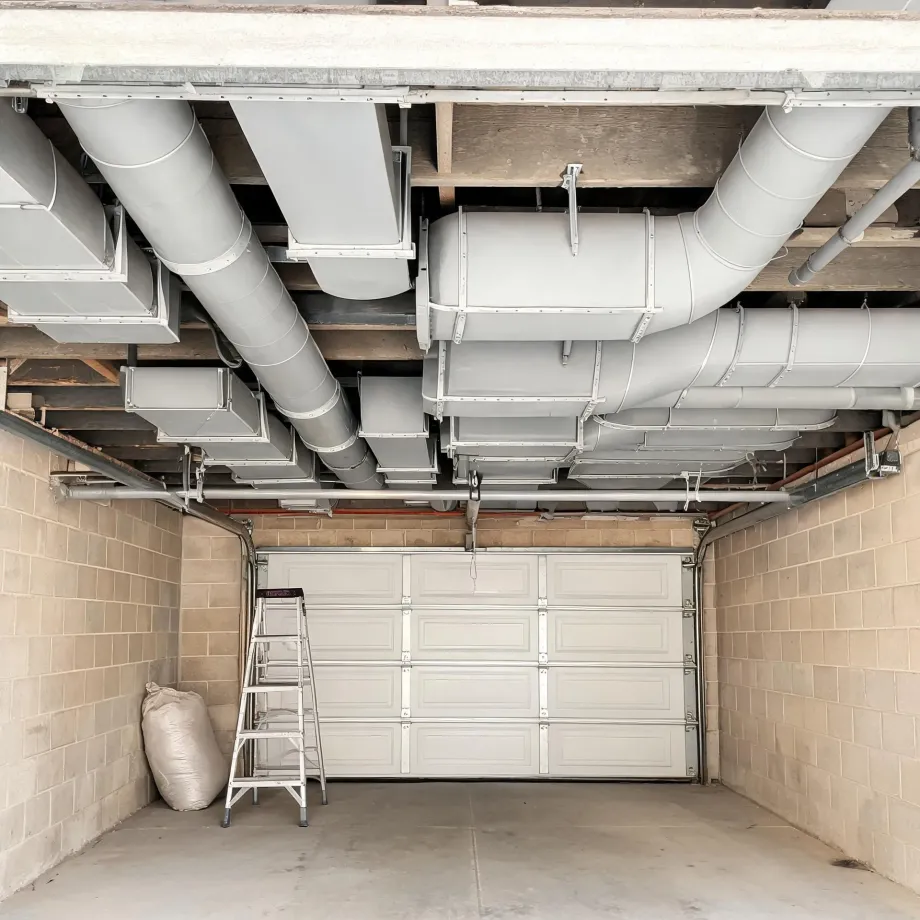
Half the homes in Chatham County, Georgia were built in 1986 or earlier (2020-2024 ACS 5-year). A furnace sitting in a house that old has likely been serviced across several ownership cycles, and the components inside it reflect that history: swapped controls, non-original heat exchangers, mixed-generation parts. When a contractor opens the cabinet, what decides the scope and the bill is whether the specific igniter, limit switch, or heat exchanger the system takes is still in production. If a part has been discontinued, the job becomes a sourcing problem before it is a repair problem.
The Parts of a Furnace a Contractor Checks First
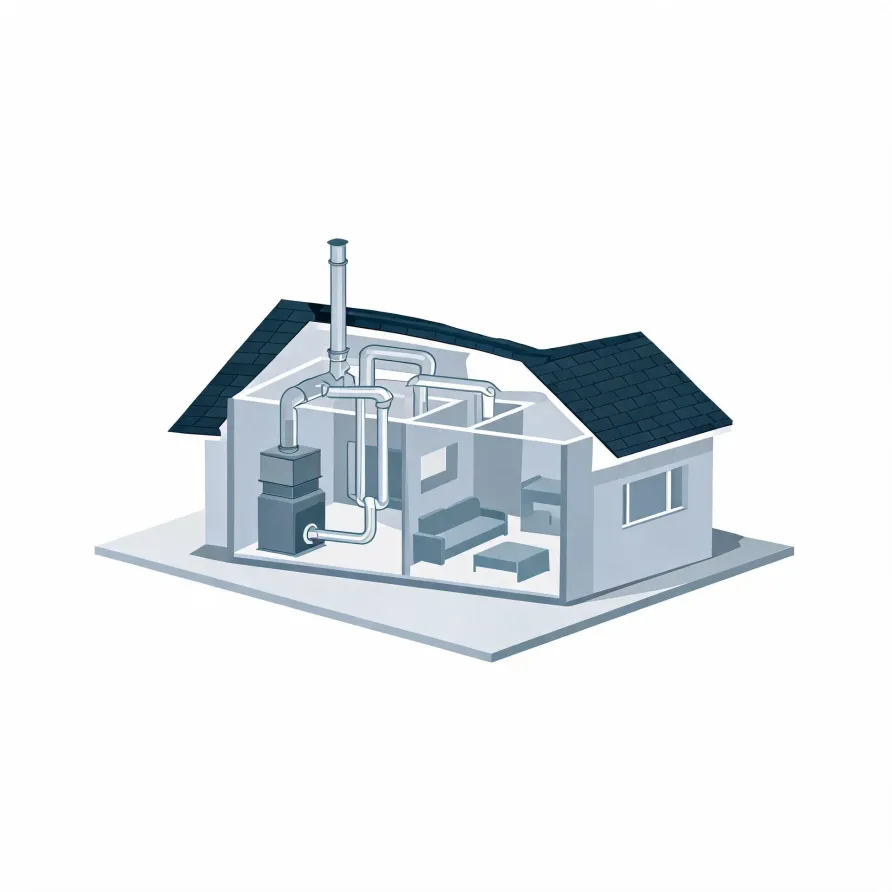
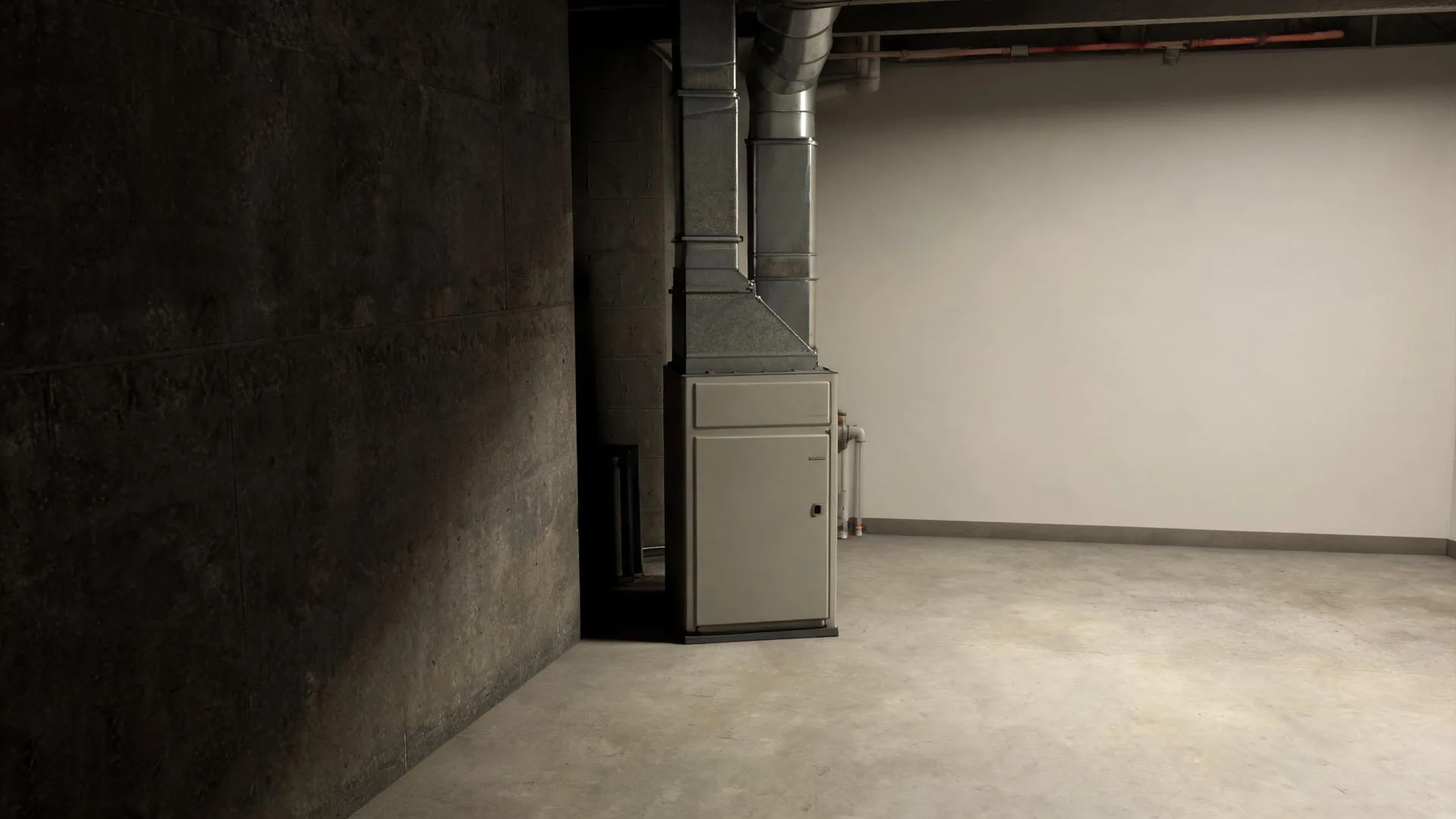
The furnace itself sits in a basement, utility room, or closet and is the piece a contractor goes to first. Inside it, the heat exchanger and burner assembly are the parts most likely to be behind a heating failure. The blower motor pulls air across the heat exchanger and pushes it into the supply side of the house.
The flue or vent pipe runs from the furnace to an exterior wall or roof and carries combustion gases out of the house. Alongside that, the thermostat on the wall and the igniter, flame sensor, and control board inside the cabinet are all points a contractor checks when the furnace is not behaving as it should.
The drawing shows a typical layout, and a licensed contractor will determine which parts and conditions apply to your specific home.
Get matched in Chatham CountyChatham County, by the numbers
343 severe weather events were recorded in Chatham County, Georgia between 2015 and 2024.
NOAA National Centers for Environmental Information, Storm Events Database, bulk CSV export, events 2015-01-01 through 2024-12-31.Half the homes in Chatham County, Georgia were built in 1986 or earlier (2020-2024 ACS 5-year).
U.S. Census Bureau, 2020-2024 American Community Survey 5-Year EstimatesChatham County, Georgia holds 137,532 housing units (2020-2024 ACS 5-year).
U.S. Census Bureau, 2020-2024 American Community Survey 5-Year EstimatesOwners occupy 56.8% of the occupied homes in Chatham County, Georgia (2020-2024 ACS 5-year).
U.S. Census Bureau, 2020-2024 American Community Survey 5-Year EstimatesFurnace & HVAC Repair Rules on Record for Chatham County, Georgia4 codes, standards & licensing rules
What the repair visit looks like
Non-weatherized gas furnaces manufactured on or after November 19, 2015 must reach 80.0 percent AFUE.
Non-weatherized oil-fired furnaces manufactured on or after November 19, 2015 must reach 83.0 percent AFUE.
Mobile home gas furnaces manufactured on or after November 19, 2015 must reach 80.0 percent AFUE.
Non-weatherized gas furnaces manufactured on or after December 18, 2028 must reach 95.0 percent AFUE, up from the 80.0 percent minimum that applies to units manufactured before that date.
Weather Stress on HVAC Equipment in Chatham County
Heating and cooling equipment takes the brunt of whatever the local climate delivers, and Chatham County has weather that puts real load on a furnace over time. That load drives wear, and wear drives repair.
343 severe weather events, 2015–2024. Source: NOAA National Centers for Environmental Information, Storm Events Database.