Tell us about the job
Takes about a minute. No obligation.
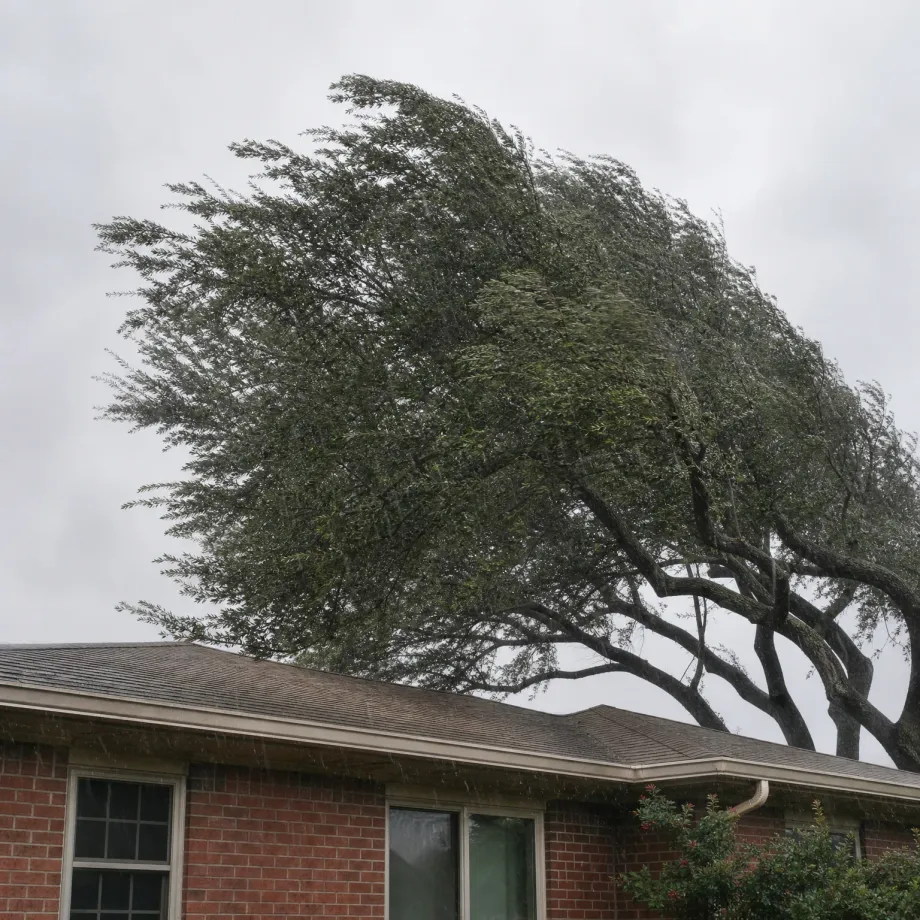
A furnace repair in Jasper County starts with what the system has been given and how it has been kept. 21 severe weather events were recorded in Jasper County, Georgia between 2015 and 2024. At that rate, severe weather is an event here, not a standing condition, so a contractor arriving at a struggling furnace is unlikely to find storm load at the root of it. Worn heat exchangers, neglected filters, and aging igniters account for most of what fails. The weather record belongs in the file, but age and service history are what a contractor works through first.
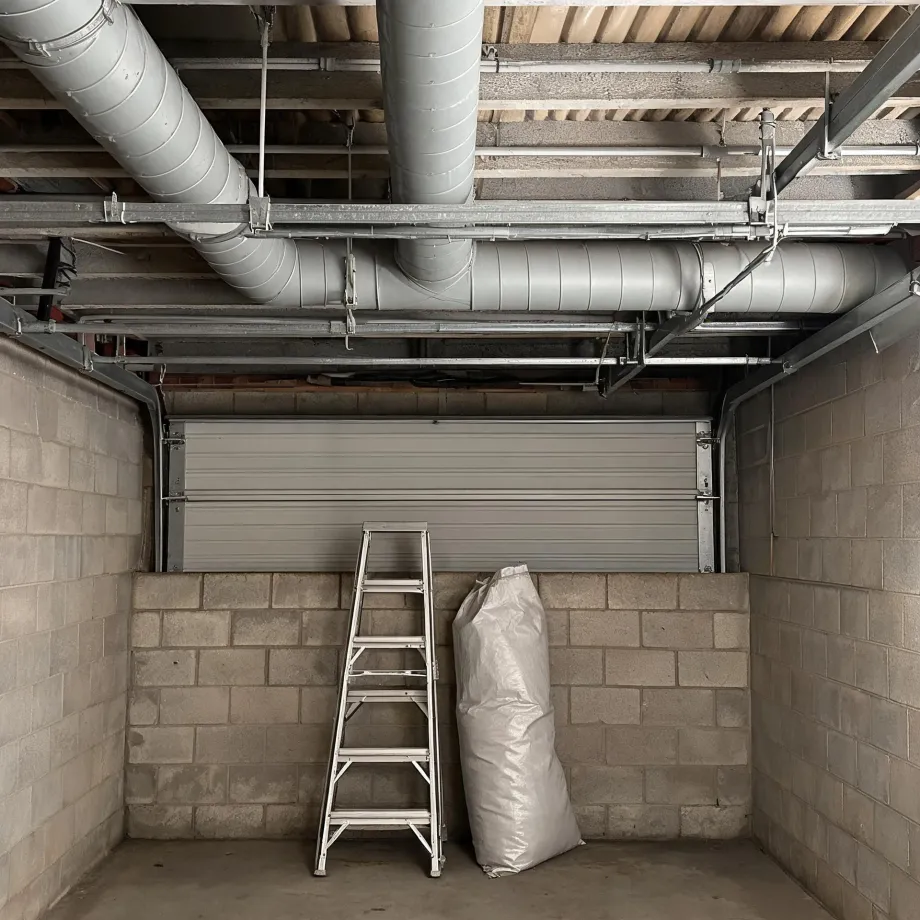
Furnace repair in stock this old turns on what the opened unit contains, not what the service call looks like from outside. Half the homes in Jasper County, Georgia were built in 1992 or earlier (2020-2024 ACS 5-year). Houses built by then have heat exchangers, burner assemblies, and flue connections that have run through a long count of heating seasons, and the condition a contractor finds once the cabinet is open is what sets the scope and the parts list. A crack in the heat exchanger is a different job than a failed igniter, and neither one is legible until the unit is apart.
The Parts of a Furnace a Contractor Checks First
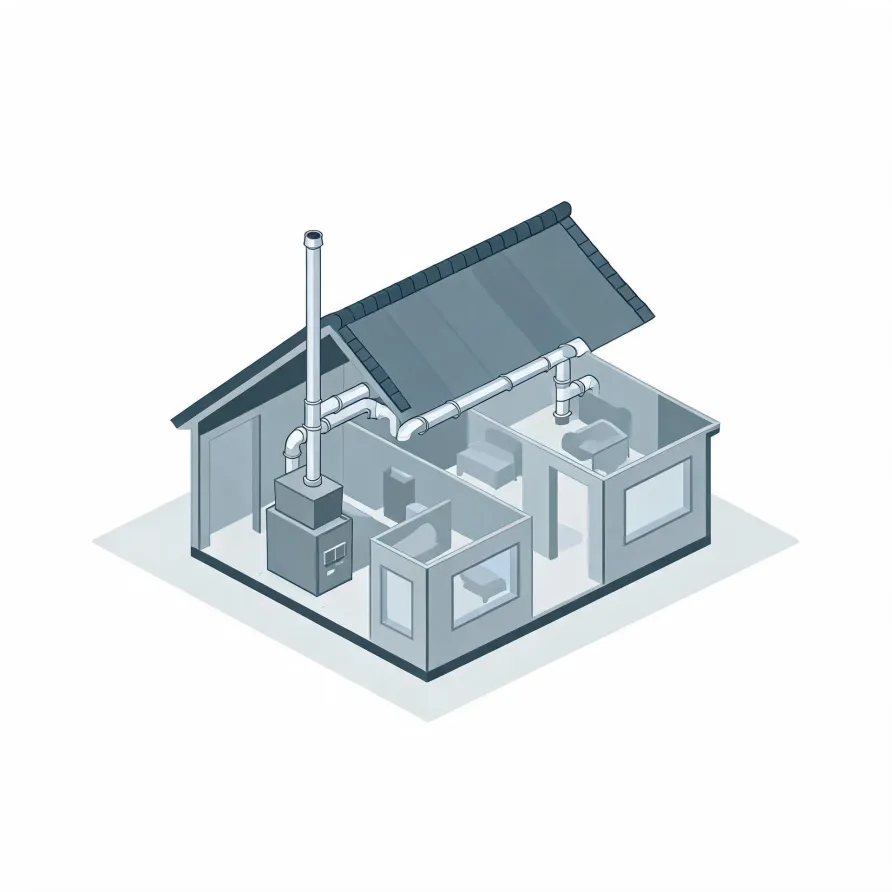
The furnace itself sits in a basement, utility room, or closet and is the piece a contractor goes to first. Inside it, the heat exchanger is the part most worth knowing: a cracked or corroded exchanger is one of the more serious findings a technician can make, because it separates combustion gases from the air your household breathes. The burners, which fire beneath it, are another early stop.
The blower motor moves conditioned air out of the furnace and into the rest of the house. Next to the furnace, the flue or exhaust vent carries combustion gases outside, and the control board coordinates every step the system takes. A failed board can produce symptoms that look like trouble somewhere else entirely, which is why a contractor works through the system piece by piece.
The drawing shows a typical furnace layout, and a licensed contractor determines what applies to your specific setup.
Get matched in Jasper CountyJasper County, Georgia, by the numbers
21 severe weather events were recorded in Jasper County, Georgia between 2015 and 2024.
NOAA National Centers for Environmental Information, Storm Events Database, bulk CSV export, events 2015-01-01 through 2024-12-31.Half the homes in Jasper County, Georgia were built in 1992 or earlier (2020-2024 ACS 5-year).
U.S. Census Bureau, 2020-2024 American Community Survey 5-Year EstimatesJasper County, Georgia holds 6,572 housing units (2020-2024 ACS 5-year).
U.S. Census Bureau, 2020-2024 American Community Survey 5-Year EstimatesOwners occupy 85.6% of the occupied homes in Jasper County, Georgia (2020-2024 ACS 5-year).
U.S. Census Bureau, 2020-2024 American Community Survey 5-Year EstimatesCodes & Standards Covering Furnace Repair in Jasper County, Georgia4 sourced rules and standards
What Happens When a Contractor Comes Out
Non-weatherized gas furnaces manufactured on or after November 19, 2015 must reach 80.0 percent AFUE.
Non-weatherized oil-fired furnaces manufactured on or after November 19, 2015 must reach 83.0 percent AFUE.
Mobile home gas furnaces manufactured on or after November 19, 2015 must reach 80.0 percent AFUE.
Non-weatherized gas furnaces manufactured on or after December 18, 2028 must reach 95.0 percent AFUE, up from the 80.0 percent minimum that applies to units manufactured before that date.