Tell us about the job
Takes about a minute. No obligation.
A furnace repair in this county rarely comes back to weather as the root cause. 19 severe weather events were recorded in Chattahoochee County, Georgia between 2015 and 2024. At that rate, severe weather is an event here, not a condition, and a contractor diagnosing a failed heat exchanger or a bad control board is looking first at how old the unit is, how it was installed, and how consistently it has been serviced. A system that has been neglected or pushed past its service life will fail on a calm winter night just as readily.
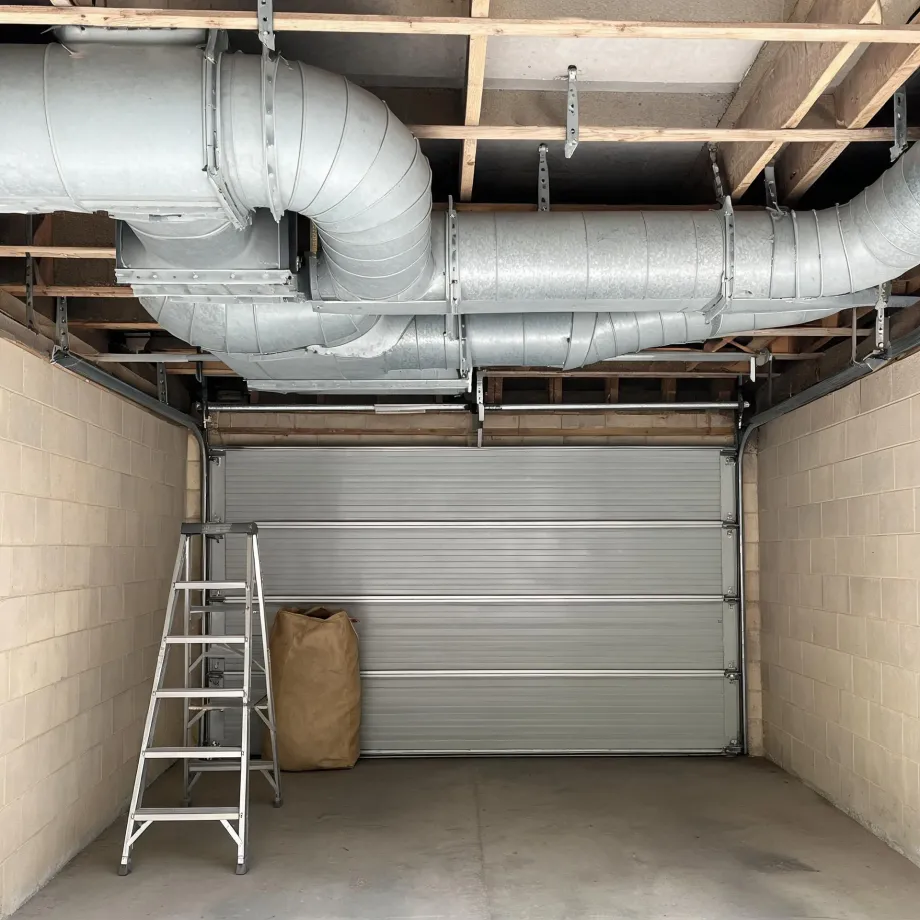
Furnaces in houses built this long ago have typically gone through at least one replacement, and what the opened unit contains determines whether the repair is a same-week fix or a sourcing problem. Half the homes in Chattahoochee County, Georgia were built in 1981 or earlier (2020-2024 ACS 5-year). A contractor who opens a heat exchanger or a control board in stock this old is checking part numbers against what is still manufactured, not just diagnosing the fault. If the answer is that the part is obsolete or backordered, the scope of the job changes before any labor estimate means anything.
The Parts of a Furnace a Contractor Checks First
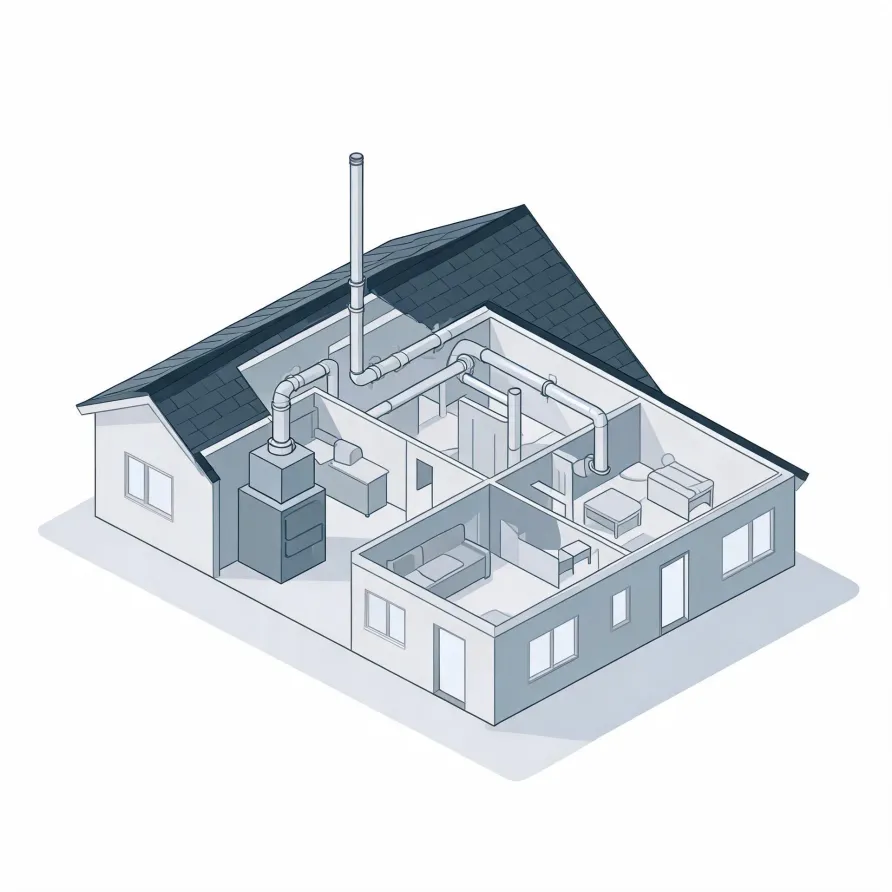
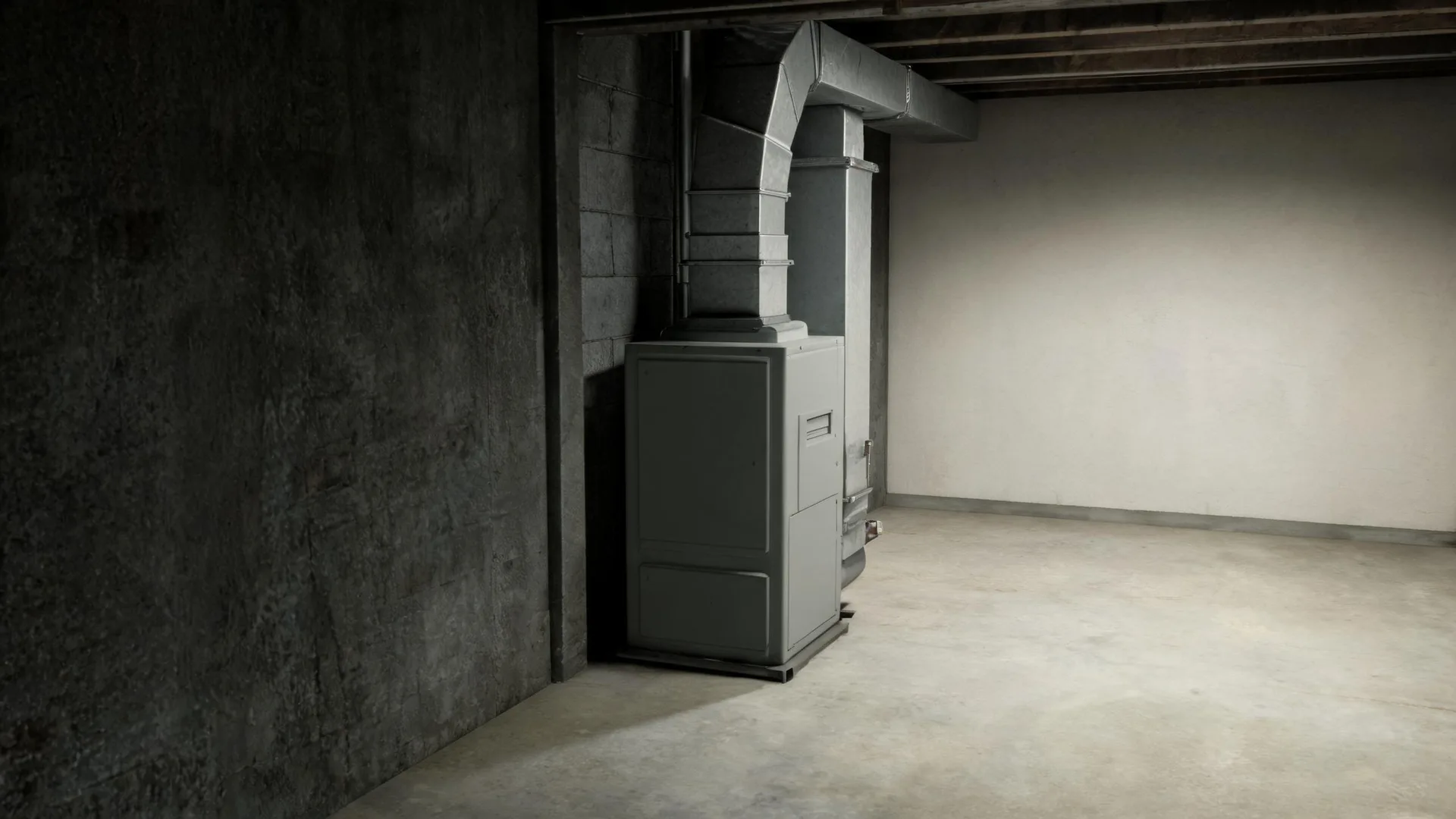
The furnace itself sits in a basement, utility closet, or crawl space and is the piece a contractor goes to first. Inside it, the heat exchanger is the part most worth understanding: a crack or breach there is what makes a furnace both useless and unsafe. The burners, the igniter, and the flame sensor all live inside the cabinet too, and any one of them can be the reason the system refuses to fire or runs poorly.
The blower motor sits at the base of the furnace cabinet and pushes conditioned air out through the house. The flue pipe runs from the top of the cabinet to an exterior wall or roof and carries combustion gases out. The thermostat on the wall is where a contractor often starts diagnosing, because a wiring fault or failed sensor there can mimic a furnace problem that does not exist.
The drawing shows a representative layout, and a licensed contractor will determine which parts apply to the specific equipment and configuration in your home.
Get matched in Chattahoochee CountyChattahoochee County, by the numbers
19 severe weather events were recorded in Chattahoochee County, Georgia between 2015 and 2024.
NOAA National Centers for Environmental Information, Storm Events Database, bulk CSV export, events 2015-01-01 through 2024-12-31.Half the homes in Chattahoochee County, Georgia were built in 1981 or earlier (2020-2024 ACS 5-year).
U.S. Census Bureau, 2020-2024 American Community Survey 5-Year EstimatesChattahoochee County, Georgia holds 2,815 housing units (2020-2024 ACS 5-year).
U.S. Census Bureau, 2020-2024 American Community Survey 5-Year EstimatesOwners occupy 39.3% of the occupied homes in Chattahoochee County, Georgia (2020-2024 ACS 5-year).
U.S. Census Bureau, 2020-2024 American Community Survey 5-Year EstimatesCodes & Standards Governing Furnace Repair in Chattahoochee County, Georgia4 sourced rules and standards
What Happens When a Contractor Comes Out
Non-weatherized gas furnaces manufactured on or after November 19, 2015 must reach 80.0 percent AFUE.
Non-weatherized oil-fired furnaces manufactured on or after November 19, 2015 must reach 83.0 percent AFUE.
Mobile home gas furnaces manufactured on or after November 19, 2015 must reach 80.0 percent AFUE.
Non-weatherized gas furnaces manufactured on or after December 18, 2028 must reach 95.0 percent AFUE, up from the 80.0 percent minimum that applies to units manufactured before that date.