Tell us about the job
Takes about a minute. No obligation.
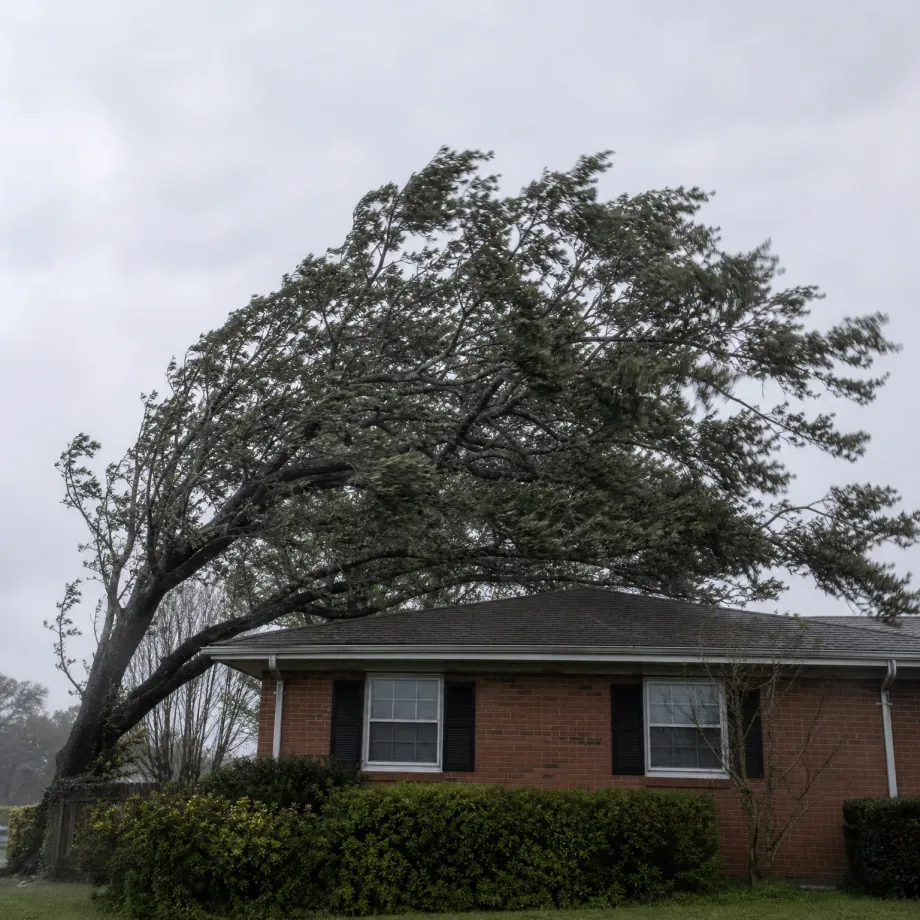
A contractor diagnosing a furnace in Franklin County has to settle one question early: what actually wore this system down. 43 severe weather events were recorded in Franklin County, Georgia between 2015 and 2024. At that rate, severe weather is a real but infrequent feature of the operating environment, not a grinding daily load. Stress from years of deferred filter changes, an aging heat exchanger, or a neglected igniter will surface before storm exposure does. That is what a contractor checks first, and it is where the repair scope gets set.
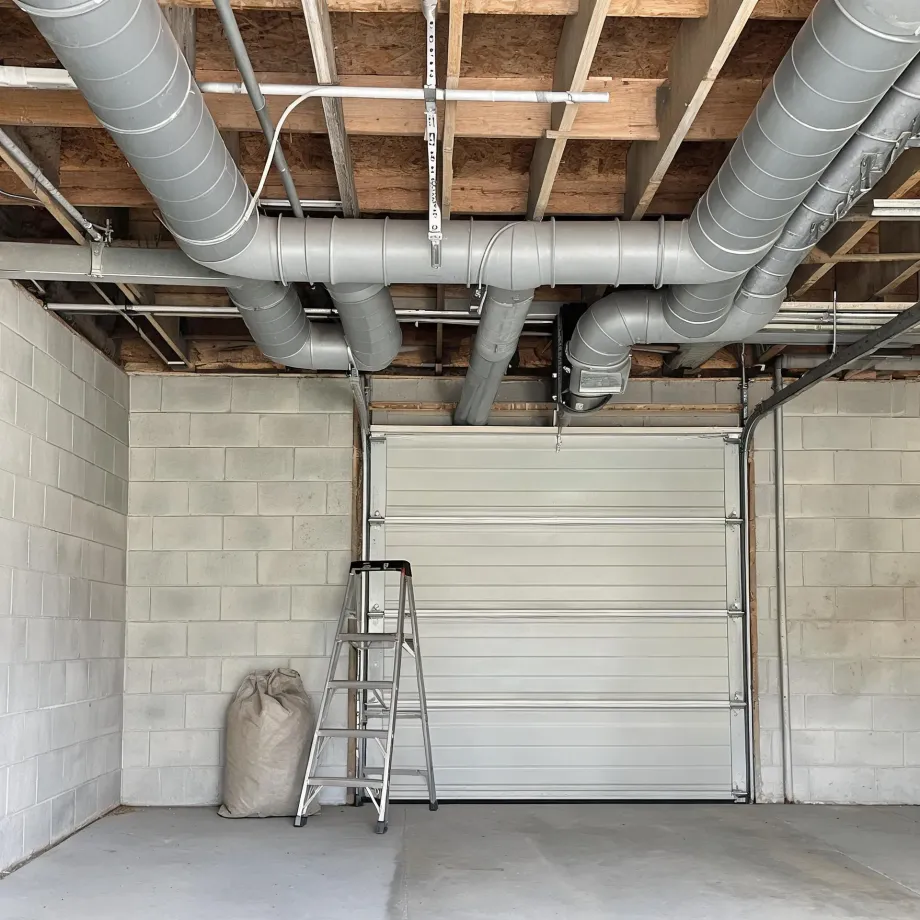
Furnaces in houses of this vintage often predate the parts catalogs contractors work from today. Half the homes in Franklin County, Georgia were built in 1989 or earlier (2020-2024 ACS 5-year). When a system that old opens up, the diagnosis is rarely the hard part. What stops or slows the job is whether the heat exchanger, the inducer, or the control board it takes still ships from anywhere. A contractor working in Franklin County quotes the repair twice in those cases: once for what is broken, and again once sourcing confirms what is available.
The Parts of a Furnace a Contractor Checks First
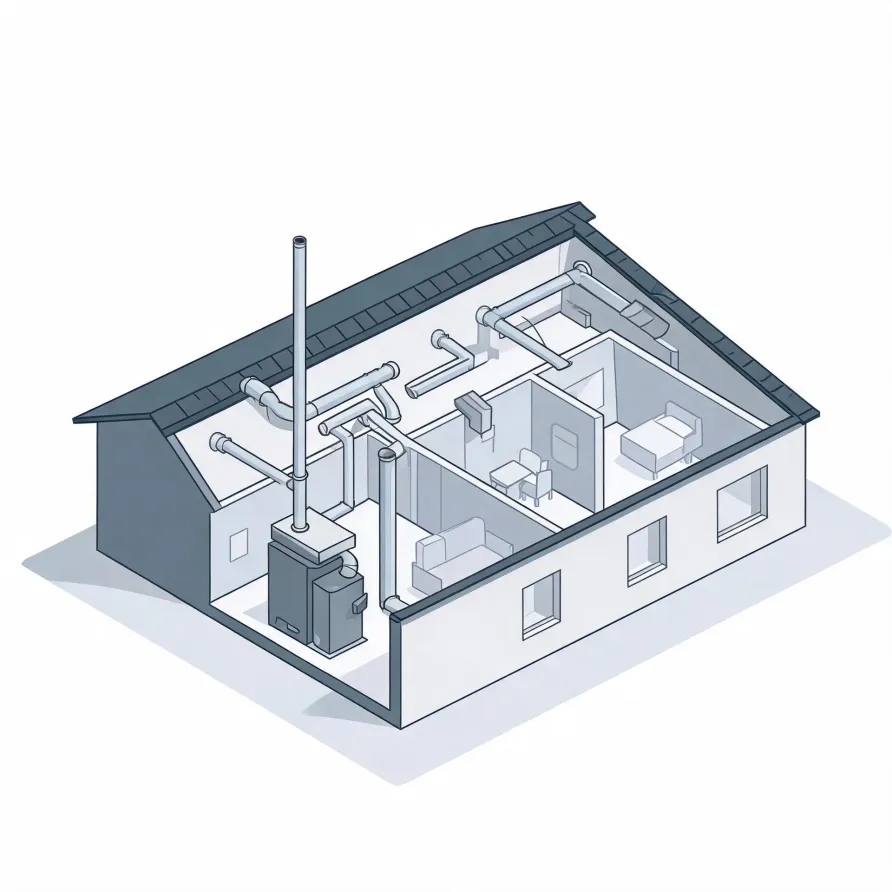
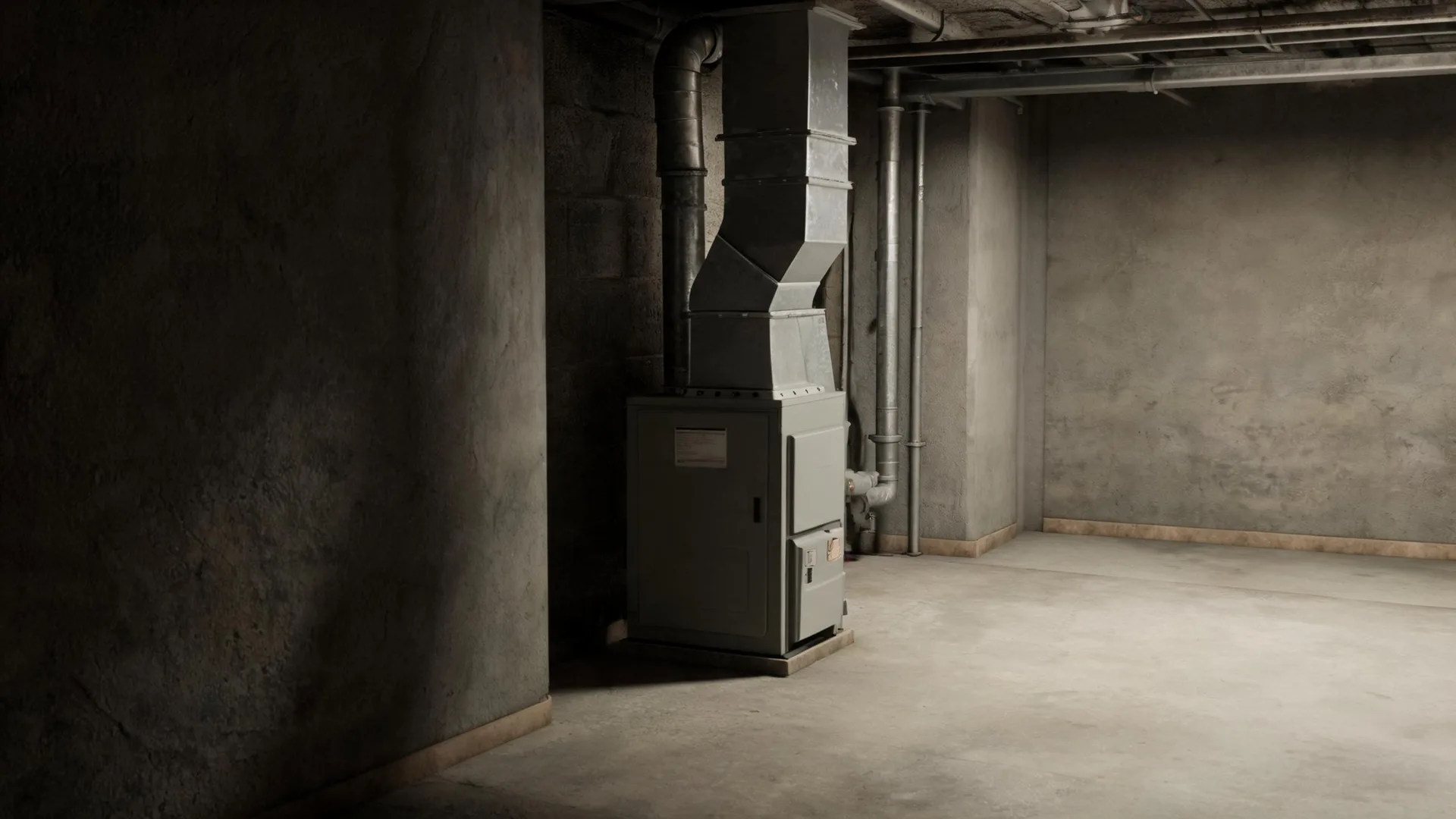
The furnace itself sits in the basement, utility closet, or garage and is the piece a contractor goes to first. Inside it, the heat exchanger, burners, and blower motor each have a specific job, and a failure in any one of them shows up differently. A cracked heat exchanger, a worn burner, and a failing blower motor all produce distinct symptoms that point a contractor toward the right part.
The flue pipe runs from the furnace up and out of the house, carrying combustion gases away. The thermostat on the wall and the igniter inside the cabinet are smaller pieces, but both are common sources of trouble and are checked early in any diagnosis.
The drawing shows the general layout of a furnace system, and a licensed contractor determines what applies to the specific equipment and setup in your house.
Get matched in Franklin CountyFranklin County, Georgia, by the numbers
43 severe weather events were recorded in Franklin County, Georgia between 2015 and 2024.
NOAA National Centers for Environmental Information, Storm Events Database, bulk CSV export, events 2015-01-01 through 2024-12-31.Half the homes in Franklin County, Georgia were built in 1989 or earlier (2020-2024 ACS 5-year).
U.S. Census Bureau, 2020-2024 American Community Survey 5-Year EstimatesFranklin County, Georgia holds 10,905 housing units (2020-2024 ACS 5-year).
U.S. Census Bureau, 2020-2024 American Community Survey 5-Year EstimatesOwners occupy 77.2% of the occupied homes in Franklin County, Georgia (2020-2024 ACS 5-year).
U.S. Census Bureau, 2020-2024 American Community Survey 5-Year EstimatesCodes & Standards Governing Furnace Repair in Franklin County, Georgia4 sourced rules and standards
What Happens During an HVAC Repair in Franklin County
Non-weatherized gas furnaces manufactured on or after November 19, 2015 must reach 80.0 percent AFUE.
Non-weatherized oil-fired furnaces manufactured on or after November 19, 2015 must reach 83.0 percent AFUE.
Mobile home gas furnaces manufactured on or after November 19, 2015 must reach 80.0 percent AFUE.
Non-weatherized gas furnaces manufactured on or after December 18, 2028 must reach 95.0 percent AFUE, up from the 80.0 percent minimum that applies to units manufactured before that date.
Weather Stress on HVAC Equipment in Franklin County
Heating equipment works against the conditions outside, and the harder those conditions get, the harder the equipment has to work. Repair needs in Franklin County track local weather load, which is why the pattern of severe weather events here is relevant to any conversation about furnace service.
43 severe weather events, 2015–2024. Source: NOAA National Centers for Environmental Information, Storm Events Database.