Tell us about the job
Takes about a minute. No obligation.
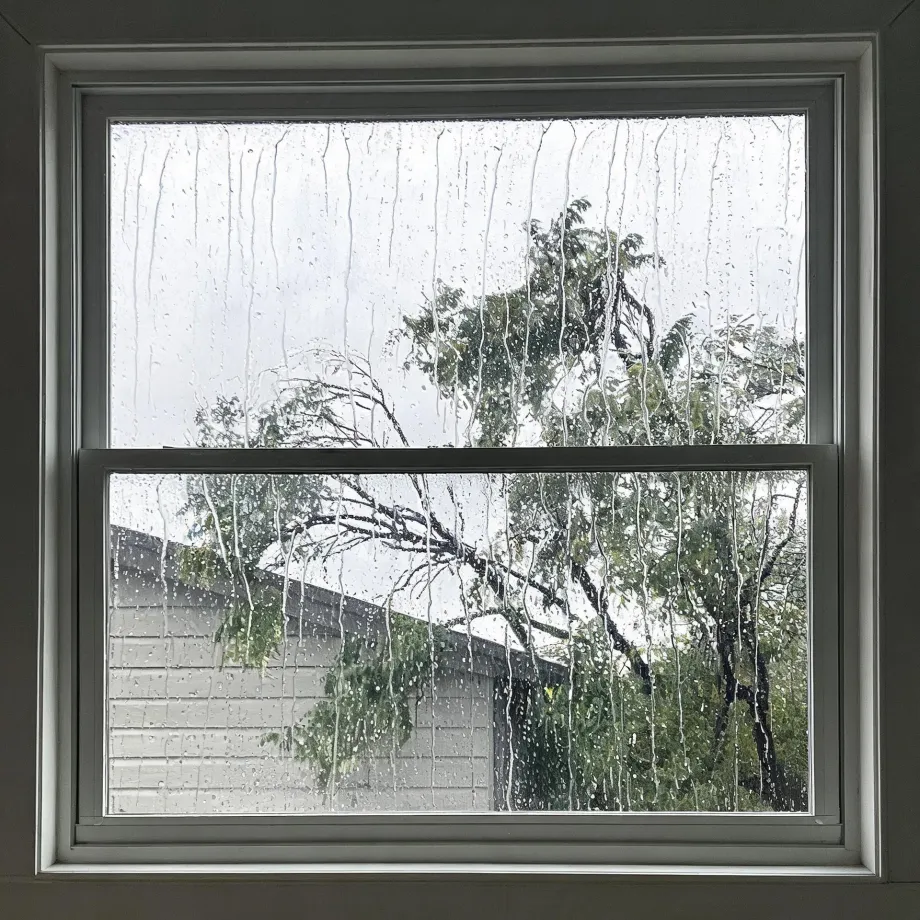
A contractor quoting furnace repair in Taylor County starts with the system itself: how old it is, whether it has been serviced, and which components are worn. 45 severe weather events were recorded in Taylor County, Georgia between 2015 and 2024. At that rate, severe weather is an event in this county rather than a steady operating condition, so a heat exchanger that cracks or a control board that fails is not carrying the mark of a punishing climate. A contractor will look at age and maintenance history first, because that is where the answer almost always is.
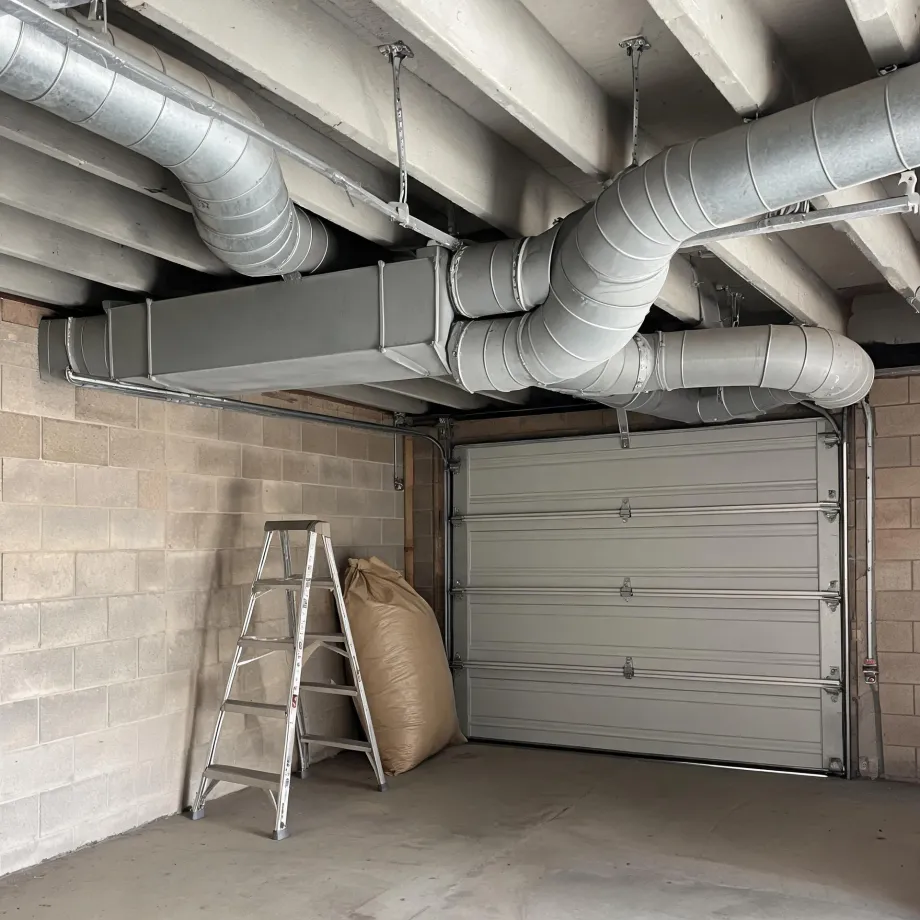
Ductwork sized and routed for equipment from a previous generation does not quietly adapt when a newer furnace goes in. Half the homes in Taylor County, Georgia were built in 1986 or earlier (2020-2024 ACS 5-year). A contractor opening a furnace in this county will often find that the repair question and the duct condition question are the same question: if the system keeps failing at the same point, the duct layout is a reasonable place to look for why. That is not a secondary check.
The Parts of a Furnace a Contractor Checks First
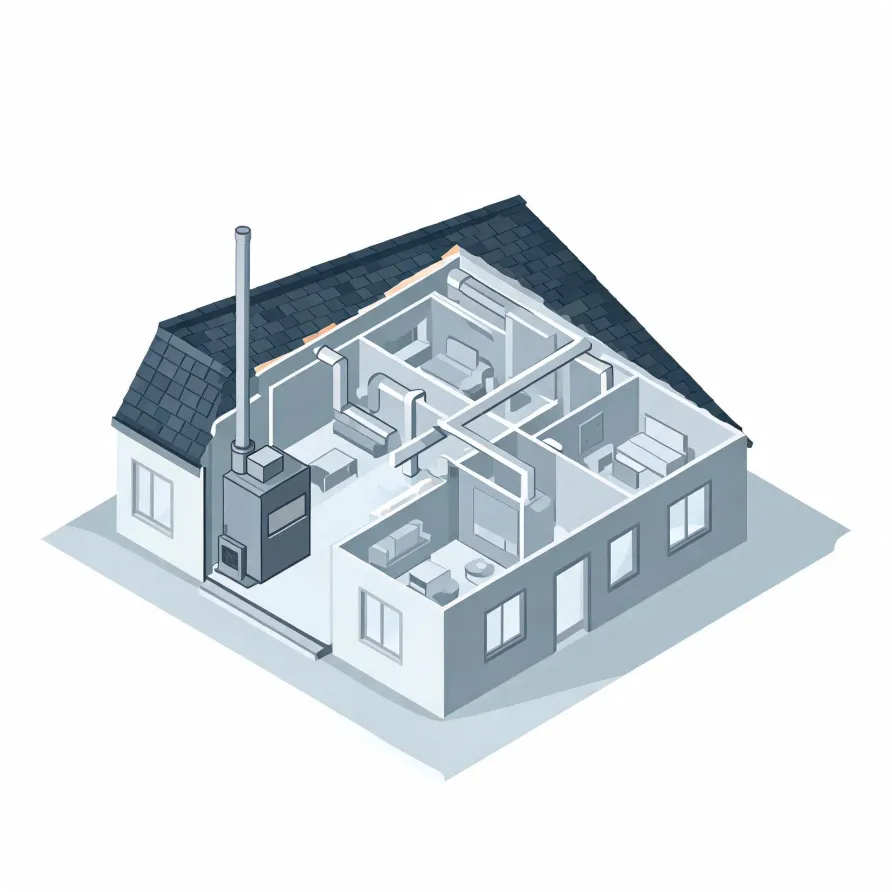
The furnace itself sits in a utility space, basement, or closet and is the piece a contractor goes to first. Inside it, the heat exchanger, burners, and blower motor each have a specific job, and a fault in any one of them shows up differently. A cracked heat exchanger, a dirty burner, or a failing blower motor each produces its own set of symptoms.
The flue pipe carries combustion gases out of the house and connects at the top or rear of the furnace cabinet. The thermostat on a main living area wall tells the furnace when to fire and when to stop, and a misreading there can look like a furnace problem when the furnace itself is fine. The filter housing sits at the air return and is one of the first things a contractor pulls.
The drawing shows a typical furnace layout, and a licensed contractor determines what applies to the specific equipment and configuration in your home.
Get matched in Taylor CountyTaylor County, Georgia, by the numbers
45 severe weather events were recorded in Taylor County, Georgia between 2015 and 2024.
NOAA National Centers for Environmental Information, Storm Events Database, bulk CSV export, events 2015-01-01 through 2024-12-31.Half the homes in Taylor County, Georgia were built in 1986 or earlier (2020-2024 ACS 5-year).
U.S. Census Bureau, 2020-2024 American Community Survey 5-Year EstimatesTaylor County, Georgia holds 3,938 housing units (2020-2024 ACS 5-year).
U.S. Census Bureau, 2020-2024 American Community Survey 5-Year EstimatesOwners occupy 62.9% of the occupied homes in Taylor County, Georgia (2020-2024 ACS 5-year).
U.S. Census Bureau, 2020-2024 American Community Survey 5-Year EstimatesCodes & Standards Governing Furnace and HVAC Repair in Taylor County, Georgia4 sourced rules and standards
What HVAC Repair Looks Like in Taylor County
Non-weatherized gas furnaces manufactured on or after November 19, 2015 must reach 80.0 percent AFUE.
Non-weatherized oil-fired furnaces manufactured on or after November 19, 2015 must reach 83.0 percent AFUE.
Mobile home gas furnaces manufactured on or after November 19, 2015 must reach 80.0 percent AFUE.
Non-weatherized gas furnaces manufactured on or after December 18, 2028 must reach 95.0 percent AFUE, up from the 80.0 percent minimum that applies to units manufactured before that date.
Severe Weather Events in Taylor County
Weather puts real stress on heating equipment, and that stress adds up over time. How hard the climate pushes a furnace shapes what repairs it needs and how often it needs them.
45 severe weather events, 2015–2024. Source: NOAA National Centers for Environmental Information, Storm Events Database.