Tell us about the job
Takes about a minute. No obligation.
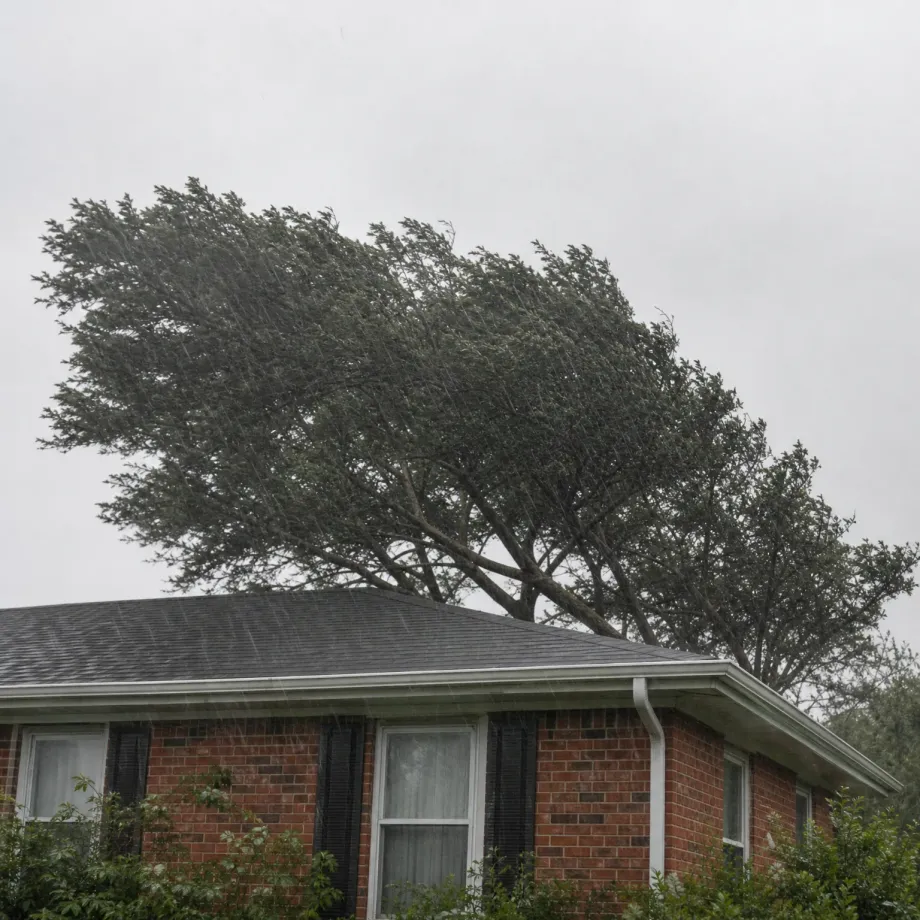
A furnace quote in Clinch County starts with the house, not the forecast. 67 severe weather events were recorded in Clinch County, Georgia between 2015 and 2024. At that rate, severe weather here is an occasional fact rather than a constant pressure on equipment, which means the sizing decisions and install quality a contractor chooses on day one are what shape how the furnace runs for years afterward. A system that struggles in this county is far more likely to trace that failure to duct layout, equipment fit, or workmanship than to weather the area has seen.
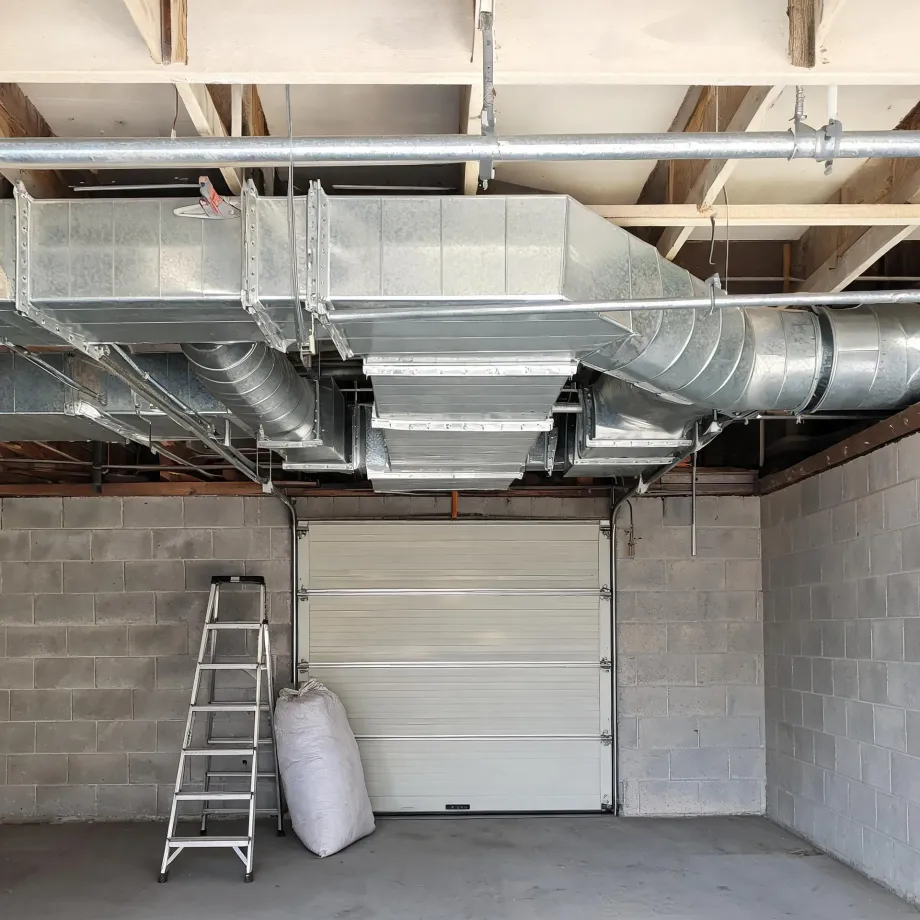
Ductwork laid out for older furnace technology carries different static pressure expectations than a modern unit needs. Half the homes in Clinch County, Georgia were built in 1980 or earlier (2020-2024 ACS 5-year). A contractor sizing a new furnace here has to measure what those ducts will actually move before the equipment choice means anything, because a new unit pushing air through a system routed for its predecessor will run short on return air or overheat its heat exchanger. The electrical service is a separate check. What the house already has behind the walls decides more of the job scope than the furnace specification does.
What a Furnace Installation Covers
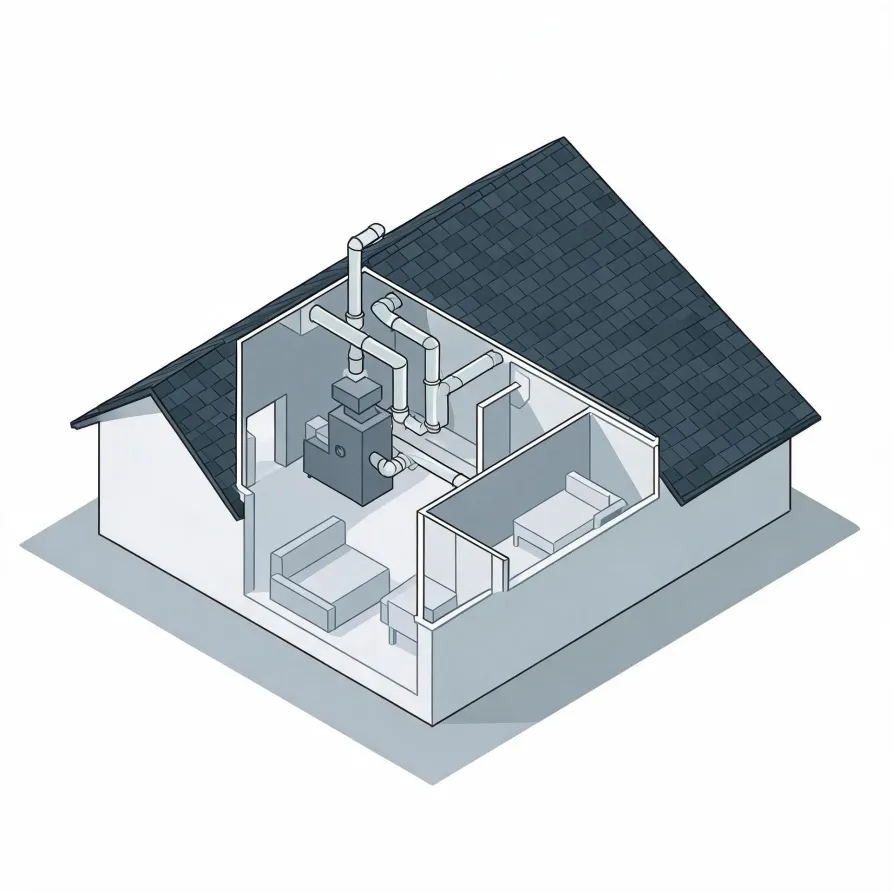
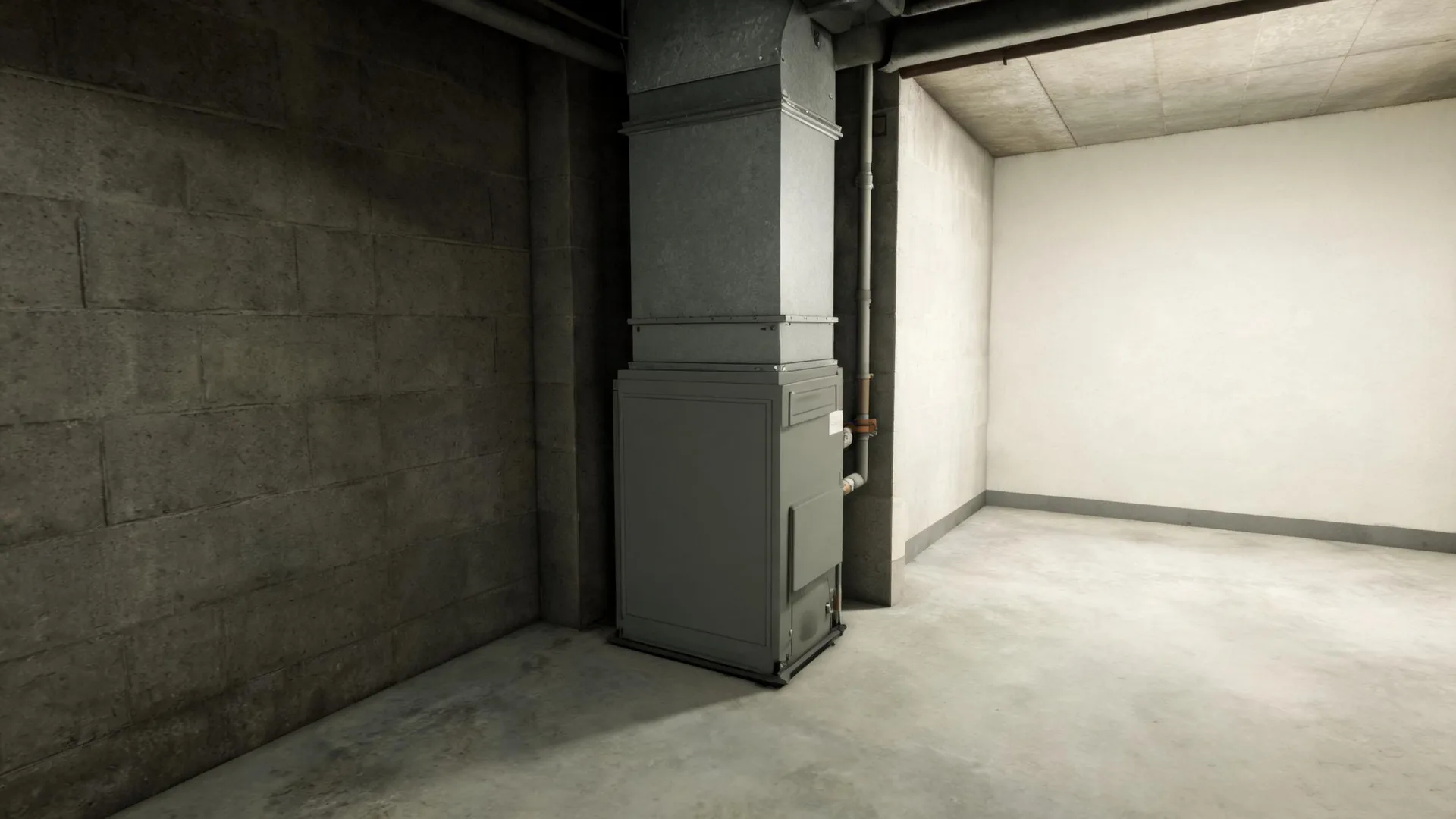
The furnace itself sits inside the house, most often in a basement, utility closet, or mechanical room. It is the box that produces the heat. A new installation also includes the flue or vent pipe that carries combustion gases out of the house, running from the unit to an exterior wall or through the roof.
The air handler components that live inside the furnace cabinet, including the blower and the heat exchanger, come as part of the unit. A new thermostat is placed on a wall in the living space and wired back to the furnace to give the homeowner control over the system.
The drawing shows a typical layout, and a licensed contractor determines exactly which components and configurations apply to your home.
Get matched in Clinch CountyClinch County, by the numbers
67 severe weather events were recorded in Clinch County, Georgia between 2015 and 2024.
NOAA National Centers for Environmental Information, Storm Events Database, bulk CSV export, events 2015-01-01 through 2024-12-31.Half the homes in Clinch County, Georgia were built in 1980 or earlier (2020-2024 ACS 5-year).
U.S. Census Bureau, 2020-2024 American Community Survey 5-Year EstimatesClinch County, Georgia holds 3,037 housing units (2020-2024 ACS 5-year).
U.S. Census Bureau, 2020-2024 American Community Survey 5-Year EstimatesOwners occupy 70.8% of the occupied homes in Clinch County, Georgia (2020-2024 ACS 5-year).
U.S. Census Bureau, 2020-2024 American Community Survey 5-Year EstimatesCodes & Standards Covering Furnace Installation in Clinch County, Georgia4 sourced rules and standards
What the Installation Actually Looks Like
Non-weatherized gas furnaces manufactured on or after November 19, 2015 must reach 80.0 percent AFUE.
Non-weatherized oil-fired furnaces manufactured on or after November 19, 2015 must reach 83.0 percent AFUE.
Mobile home gas furnaces manufactured on or after November 19, 2015 must reach 80.0 percent AFUE.
Non-weatherized gas furnaces manufactured on or after December 18, 2028 must reach 95.0 percent AFUE, up from the 80.0 percent minimum that applies to units manufactured before that date.
Severe Weather Events in Clinch County
Weather conditions drive how hard heating equipment works and how long it lasts. A furnace sized and installed for local conditions holds up better than one that was not, which is why the weather record here is part of the installation picture.
67 severe weather events, 2015–2024. Source: NOAA National Centers for Environmental Information, Storm Events Database.