Tell us about the job
Takes about a minute. No obligation.
A furnace repair in Harris County starts with what the system has already been through. 71 severe weather events were recorded in Harris County, Georgia between 2015 and 2024. At that rate, severe weather is a recurring presence but not the defining condition of equipment life here. A contractor will check heat exchangers, igniters, and blower components for the kind of gradual wear that accumulates from years of steady use, because age and deferred maintenance cause most of what they find. Storm load is worth noting. It rarely explains the failure on its own.
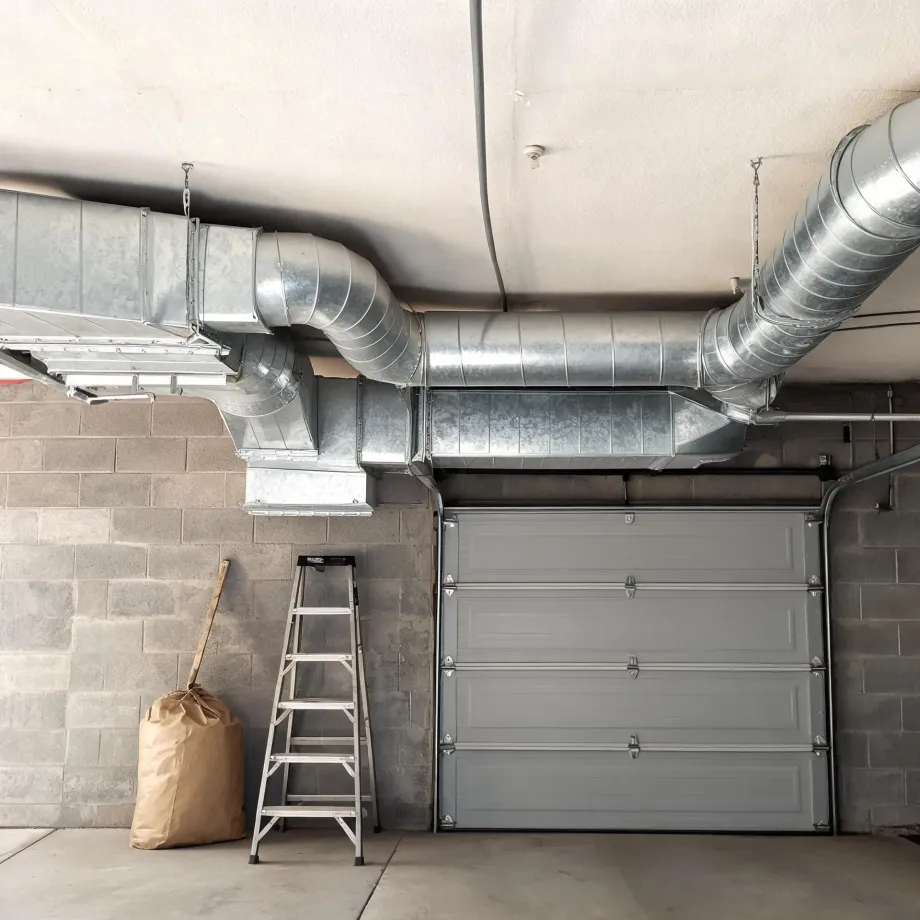
Furnace systems in houses built this long ago have had time to accumulate wear that does not show from the outside. Half the homes in Harris County, Georgia were built in 1997 or earlier (2020-2024 ACS 5-year). A contractor who opens a furnace in stock like this is looking at heat exchangers, igniters, and control boards that have run through a long service life, and the repair scope turns on what those components actually are once the unit is open. If the part a system of that vintage takes is still manufactured, the repair is straightforward. If it is not, the contractor is pricing a replacement before the call is finished.
The Parts of a Furnace a Contractor Checks First
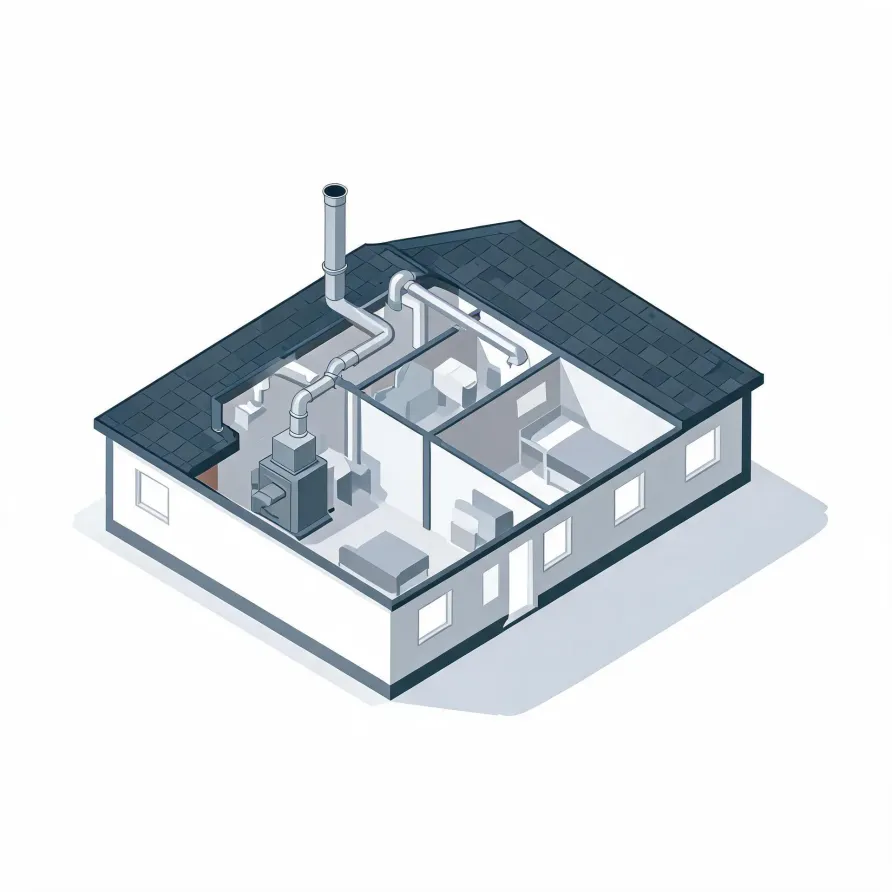
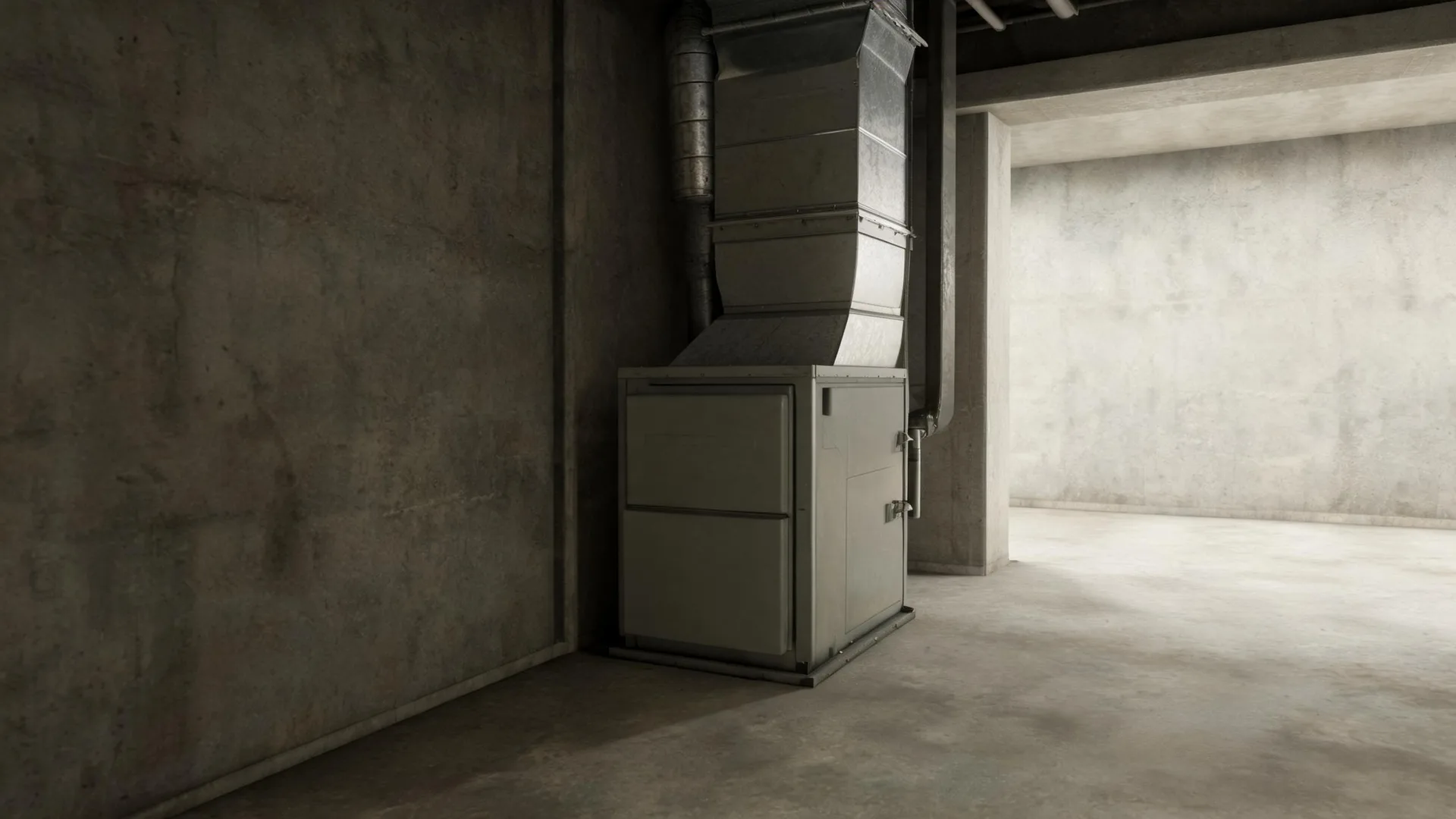
The furnace itself sits in a utility room, basement, or closet and is the piece a contractor goes to first. Inside it, the heat exchanger is what actually warms the air, and a crack or buildup there is a common reason a furnace stops doing its job. The burners, which fire inside that exchanger, are another early suspect when heat output drops or the unit cycles off unexpectedly.
The blower motor sits at the base of the furnace cabinet and pushes conditioned air out through the house. Near it, the control board reads every signal the system sends and tells each part when to run. The flue pipe runs from the furnace to an exterior vent and is checked whenever combustion problems are on the table.
The drawing shows a representative layout, and a licensed contractor determines which components apply to your specific system and what condition each one is in.
Get matched in Harris CountyHarris County, Georgia, by the numbers
71 severe weather events were recorded in Harris County, Georgia between 2015 and 2024.
NOAA National Centers for Environmental Information, Storm Events Database, bulk CSV export, events 2015-01-01 through 2024-12-31.Half the homes in Harris County, Georgia were built in 1997 or earlier (2020-2024 ACS 5-year).
U.S. Census Bureau, 2020-2024 American Community Survey 5-Year EstimatesHarris County, Georgia holds 14,699 housing units (2020-2024 ACS 5-year).
U.S. Census Bureau, 2020-2024 American Community Survey 5-Year EstimatesOwners occupy 88.8% of the occupied homes in Harris County, Georgia (2020-2024 ACS 5-year).
U.S. Census Bureau, 2020-2024 American Community Survey 5-Year EstimatesCodes & Standards Governing Furnace and HVAC Repair in Harris County, Georgia4 sourced rules and standards
What the repair visit looks like
Non-weatherized gas furnaces manufactured on or after November 19, 2015 must reach 80.0 percent AFUE.
Non-weatherized oil-fired furnaces manufactured on or after November 19, 2015 must reach 83.0 percent AFUE.
Mobile home gas furnaces manufactured on or after November 19, 2015 must reach 80.0 percent AFUE.
Non-weatherized gas furnaces manufactured on or after December 18, 2028 must reach 95.0 percent AFUE, up from the 80.0 percent minimum that applies to units manufactured before that date.
Severe Weather Events in Harris County
Weather puts a load on heating and cooling equipment that flat usage numbers alone do not capture. Storms, temperature swings, and pressure on the grid all push furnaces harder, and what that looks like in Harris County shapes how often repair work comes up here.
71 severe weather events, 2015–2024. Source: NOAA National Centers for Environmental Information, Storm Events Database.